Valley Metro Weighs New Bus Stop at Harlingen VA Clinic to Aid Local Veterans
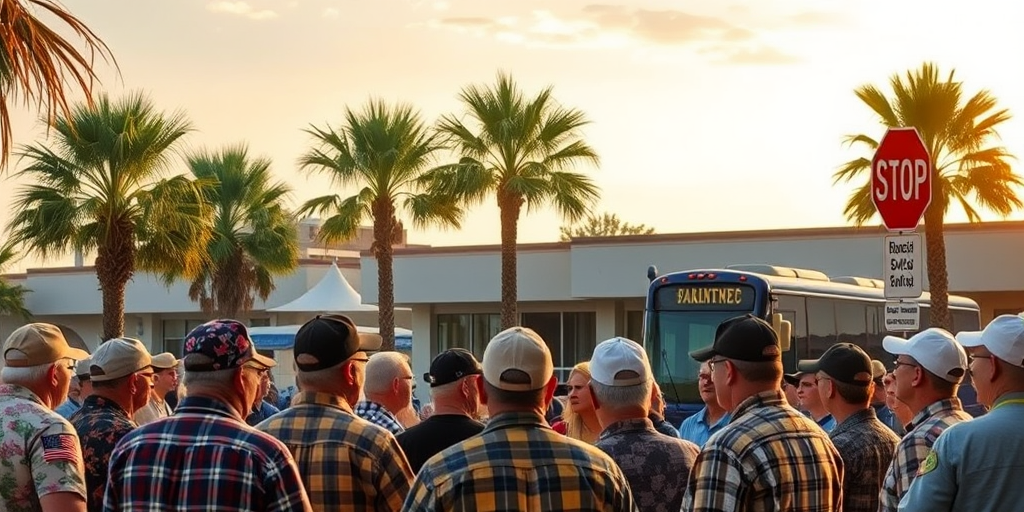
Valley Metro, the public transportation service that helps weave together the communities of the Rio Grande Valley, is considering a proposal to introduce a new bus stop at the Harlingen VA Clinic. This initiative aims to enhance access to medical services for veterans, further strengthening the local infrastructure in South Texas.
Understanding the Proposal
Responding to an increasing need to accommodate the mobility of veterans who frequently visit the Harlingen VA Clinic for medical care, Valley Metro is exploring the idea of adding a new bus stop. If approved, the new stop would provide six daily visits, Monday through Friday, offering a more consistent and reliable transit option for those in need of routine and emergency medical attention.
Tom Logan, Valley Metro Director, explained the background of the initiative: “Veterans have asked for a dedicated stop. We’re exploring options to officially install a bus stop sign and maybe even a shelter to improve their experience.”
This project reflects Valley Metro’s commitment to addressing the unique transportation needs of its community members, aiming to bridge gaps that exist in public transit accessibility.
Connecting with the Community
Public input is crucial to shaping the development of this transit project. Valley Metro is actively inviting community members to share their perspectives and suggestions regarding the proposal. A feedback form has been made available for residents to voice their views and ensure the project’s outcome aligns with the community’s needs.
The prospective bus route stop not only represents a significant step forward in local transportation planning but also emphasizes advocacy for veterans within the community, ensuring their access to healthcare remains unobstructed.
Significance for the Rio Grande Valley
Given the sizable veteran population in Cameron County and across the Rio Grande Valley, providing disciplined transit access to healthcare facilities is not only vital but timely. The new bus stop has the potential to impact thousands of veterans who rely on public transportation for their day-to-day needs.
Esteban Salinas, a Harlingen resident and veteran, offered his thoughts on the proposal: “Having easier access to the VA Clinic without the worry of transportation would make a big difference for me and many others in this area.”
Additionally, Valley Metro’s initiative embodies a larger movement towards increasing connectivity across the Rio Grande Valley, aligning with other local efforts to improve infrastructure, such as Brownsville’s street repair projects and TxDOT’s plans for Ed Carey Drive’s reconstruction.
Wider Community Infrastructure Developments
The news of the Harlingen VA Clinic bus stop initiative coincides with other noteworthy events in South Texas. The Texas Department of Transportation (TxDOT) is also seeking public feedback at a town hall meeting for a proposed plan to reconstruct and widen Ed Carey Drive, aiming for better connectivity and road safety. Valley residents are encouraged to attend and share their input on this project as well.
Simultaneously, the city of Brownsville has unveiled plans to repair 13 city streets, although specifics around the budget and timeline remain undisclosed. Combined, these infrastructure updates illustrate a period of growth-focused investment within the region, promising long-term benefits for residents.
Continuing the Conversation
As stakeholders in the Valley Metro proposal come together to discuss the bus stop’s potential benefits and drawbacks, it is necessary to consider all perspectives to ensure a balanced and effective outcome. While the primary aim is to improve accessibility for veterans, maintaining the right balance between operational feasibility and community needs is vital.
For those interested in staying updated on this development, Valley Metro advises monitoring local news streams and community bulletins. Submissions and comments related to the new bus stop at the Harlingen VA Clinic can be submitted directly through Valley Metro’s communication channels.
In conclusion, as the Rio Grande Valley progresses with various community-engaged projects, ensuring transparent and inclusive planning is key for fostering trust and achieving sustainable development within the region. Valley Metro’s initiative, while focused on one key demographic, signals a commitment to broader regional improvement efforts that could positively impact all South Texas residents.
For more detailed information and to participate in this project, interested parties can access Valley Metro’s feedback form on their official website or contact their offices directly for guidance.