Public Transportation Feedback Meeting in McAllen: A Community Voice Heard
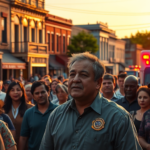
On October 22nd, McAllen hosted a critical event inviting residents and stakeholders to provide their valuable input on the Statewide Multimodal Transit Plan during an open house meeting. This initiative, part of the Texas Department of Transportation’s (TxDOT) broader public outreach campaign, aims to gather insights essential for shaping the future of transit in the Rio Grande Valley and throughout Texas. The meeting, held at the Palm View Community Center, marked a vital step in assessing local transit needs and fostering community interest in developing accessible and efficient public transportation systems.
Context and Background
The Rio Grande Valley (RGV), a vibrant and growing region in South Texas, faces unique transportation challenges that impact everything from daily commutes to economic development. As a hub for commerce and culture, the RGV’s continued growth underscores the necessity of a comprehensive transit system to address congestion and improve connectivity across its diverse communities. The Statewide Multimodal Transit Plan (SMTP), set to guide Texas’s transit evolution through 2050, recognizes these challenges, promoting solutions that enhance mobility options for all Texans.
While TxDOT’s efforts to solicit feedback are just beginning, this initial McAllen meeting was pivotal, drawing a diverse crowd of transit riders, local agencies, and community advocates. The insights gathered are expected to shape the development of a cohesive, multimodal strategy tailored to meet the distinct needs of Valley residents.
Voices from the Community
The meeting provided an open platform for attendees to present their experiences, concerns, and suggestions directly to TxDOT representatives. Local resident and daily commuter Elena Ramirez expressed her hopes for the future: “Improved public transit can genuinely change lives here. A reliable and efficient system would mean less time on the road and more time with family.”
Similarly, Carlos Rodriguez, a local business owner, highlighted the broader economic implications: “For businesses in the Valley, especially small local ones, accessible public transit is crucial. It can increase customer footfall and ease employee commutes, boosting overall productivity.”
Experts present at the meeting also emphasized integrating community feedback into the plan. “We must listen and learn from those who navigate these systems daily,” stated Dr. Luis Moreno, a transportation planner and professor at the University of Texas Rio Grande Valley. “Their experiences are invaluable in crafting solutions that address real-world issues.”
Impacts on the Rio Grande Valley
Enhancing public transportation in the RGV holds profound implications for local communities. Improved transit options can make essential services like education, healthcare, and employment more accessible, particularly for underserved areas. By reducing reliance on private vehicles, a robust public transit system can also alleviate traffic congestion and promote environmental sustainability, aligning with broader regional goals for economic growth and quality of life improvements.
Local initiatives aimed at extending and modernizing transit networks can potentially attract new businesses and residents to the Valley, fostering economic development across Hidalgo, Cameron, Starr, and Willacy counties.
Linking Past and Present
Public transit has consistently been a topic of community interest and concern in the RGV, with past initiatives often stalled due to funding constraints and logistical challenges. However, recent technological advancements and state-level support through initiatives like the SMTP present opportunities to break these barriers. Public feedback sessions like the one in McAllen showcase a commitment to inclusive planning practices and regional collaboration, aligning the Valley’s transit future with 21st-century expectations.
Future Outlook and Key Considerations
As the SMTP evolves, attention will likely focus on integrating emerging technologies into the Valley’s transportation framework. Investments in digital infrastructure and sustainable transit solutions, such as electric buses and enhanced cycling paths, could redefine mobility standards in South Texas.
While promising, these changes must be approached with nuance and consideration of potential constraints, such as funding availability and infrastructural limitations. Policymakers must balance aspirations with pragmatic strategies, ensuring that improvements do not disproportionately affect certain community segments.
Ensuring effective communication and continued public involvement will be key. Providing clear pathways for residents to voice additional concerns and suggestions will reaffirm TxDOT’s commitment to a genuinely representative transit planning process.
Local Resources and Contact Information
For those unable to attend the meeting, an online survey is available to gather further public input. Residents can access it on TxDOT’s website, ensuring broader engagement across the RGV.
Moreover, additional public meetings across Texas will continue facilitating conversations around statewide transit objectives, allowing Valley stakeholders to remain active participants in shaping their regional mobility landscape.
As Texas Border Business continues to cover these developments, the dedication to informing and involving Valley communities underscores the vital role of local media in supporting regional progress.
Readers interested in further updates or those wishing to contribute their thoughts are encouraged to reach out via email at info@tbbmega.com or visit TxDOT’s social media channels and official website for ongoing information.