CBP Detainee With Terminal Illness Dies at McAllen Hospital
In a heartrending development, a woman detained by U.S. Customs and Border Protection (CBP) succumbed to terminal liver cancer while under custody at a McAllen hospital. The case, which unfolded over several weeks, has brought attention to the complexities and humane considerations surrounding the care of terminally ill detainees within border enforcement systems.
The Case Overview
The detainee, whose identity has been undisclosed, was apprehended by Border Patrol Agents (BPA) on February 11, 2025, after having entered the United States illegally from Mexico near the Hidalgo Port of Entry. Once in custody, the woman, suffering from dehydration, was initially transferred to the Ursula Centralized Processing Center in McAllen, where medical staff determined she required urgent medical attention.
On February 13, she was admitted to South Texas Health System McAllen. During her hospitalization, doctors identified an abnormal growth on her liver, subsequently diagnosed as terminal cancer. Despite efforts to manage her care within the detention framework, her condition deteriorated, culminating in her passing on March 10, 2025.
Transparency and Policy Implications
This incident sheds light on CBP’s policies regarding detainees’ health and the procedural transparency that follows. CBP has issued a public notification of the incident, aligning with their policy for Notification and Review Procedures for Deaths in Custody. This approach aims to uphold accountability within the agency and respond duly to Department of Homeland Security (DHS) reporting requirements.
Officials from CBP stress that the woman’s medical needs were addressed upon discovery and that her ongoing care was a priority. “Our protocols ensure that detainees receive necessary medical care. However, this case underlines the challenges we face with serious health conditions that require specialized and sometimes end-of-life care,” commented a CBP spokesperson.
Impact on Rio Grande Valley Community
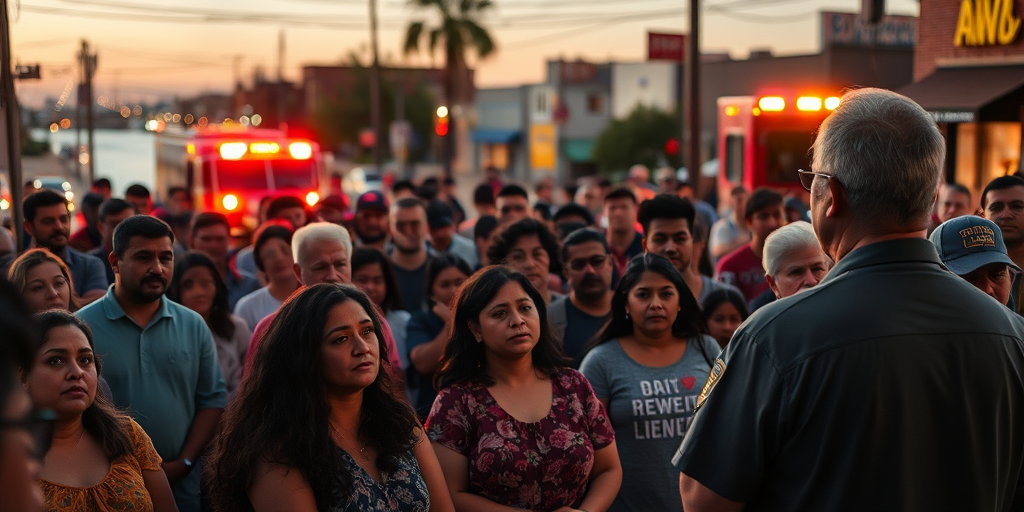
For the residents of the Rio Grande Valley, the case invokes ongoing conversations about the humane treatment of migrants and detainees, particularly those with severe health conditions. As a focal region in immigration, the RGV frequently navigates the intersection of national policy and local impact.
Dr. Ana Lopez, a healthcare advocate in McAllen, emphasizes the need for accessible medical care for all individuals within the Valley. “It’s vital that we address these cases with compassion, ensuring that all individuals, regardless of their legal status, receive dignified care, especially when facing terminal illnesses,” she remarked.
Local sentiment echoes a blend of humanitarian concern and logistical challenges facing immigration enforcement on the border. Valley residents, often familiar with the complexities of immigration due to their proximity to the border, discuss the broader implications of such cases, including the strain on local medical facilities and the ethical dimensions of detention.
Historical Context and Ongoing Issues
This incident adds to the broader tapestry of issues surrounding CBP operations in South Texas, where previous instances of detainee fatalities have sparked debates on oversight and reform. Historically, the RGV has been central to dialogues on immigration due to its geographic role as a primary entry point into the U.S.
Local organizations and advocacy groups continue to call for reforms aimed at improving the treatment of detainees, especially those with pre-existing conditions. Recent years have seen increased advocacy for policy changes that incorporate robust healthcare frameworks within immigration enforcement.
Future Considerations
The latest incident may lead to increased scrutiny of CBP policies and calls for enhanced training and resources to deal with complex health issues among detainees. As the RGV community reflects on this tragedy, potential policy amendments could focus on cooperation between federal and local healthcare services, ensuring detainees receive appropriate care without overwhelming local infrastructure.
Additionally, there is the potential for broader discussions on the detention of terminally ill individuals and alternatives to traditional detention practices, such as supervised release or house arrest, which could offer more humane solutions.
Local Resources and Engagement
For those in the Rio Grande Valley seeking to engage with this issue or offer support to affected communities, local advocacy groups have been instrumental. These organizations provide platforms for dialogue and action on immigration and detainee welfare issues. Community members are encouraged to participate in public forums and contribute to ongoing discussions about the intersection of immigration, healthcare, and community responsibility.
For more information or to get involved, residents can contact local advocacy groups and healthcare organizations working in partnership with immigration services. Additionally, CBP’s offices and local government representatives remain focal points for community engagement on this pressing issue.
In conclusion, the passing of the CBP detainee in McAllen underscores significant questions about the integration of healthcare in immigration enforcement policies and the necessity of compassionate approaches to terminally ill detainees. As the Rio Grande Valley grapples with these realities, it continues to embody the challenges and resiliency inherent in its role as a national immigration gateway.