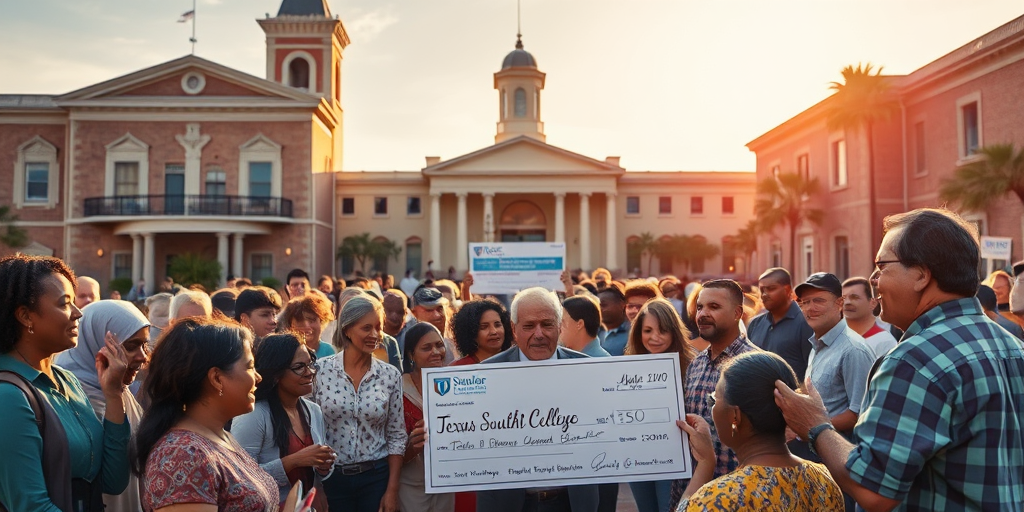
Thousands of Students to Benefit from Workforce Grants
In an effort to bolster workforce development in the Rio Grande Valley, the Texas Workforce Commission has allocated over $1.1 million through the Jobs for Education for Texans (JET) program to five local educational institutions. This initiative is expected to benefit over 2,000 students, with a focus on providing training for high-demand occupations in healthcare and welding.
Funding Distribution and Objectives
The grants were distributed during an event hosted by Texas Southmost College, which brought together leaders from public and higher education sectors. The beneficiaries of these funds include Edinburg CISD, Roma ISD, South Texas ISD, Texas Southmost College, and Weslaco ISD. According to Albert Treviño, III, a commissioner with the Texas Workforce Commission (TWC), these funds will enable institutions to purchase new equipment and make crucial infrastructure upgrades.
“This is very important, especially for this area,” Treviño remarked. “This is going to benefit 2,140 students.”
The JET program’s focus is to strengthen career and technical education, ensuring that students in the RGV are equipped with the skills needed in high-demand industries today.
Local Impact and Community Growth
The influx of funding is seen as a catalyst for economic growth and community development in the RGV. Jesus Rodriguez, President of Texas Southmost College, pointed out the broader implications of the grants. “These grants will impact our growth and our future workers. This will bring our institutions and our communities together,” he stated, echoing a sentiment of unity and progress.
For David Plummer, Vice President of Student Development at Texas Southmost College, the immediate use of funds to train approximately 2,140 students signals a significant step forward. “Upgrading educational infrastructure is crucial for preparing students for well-paying jobs,” he explained.
Community Reactions and Future Prospects
Valley residents and local officials alike have expressed optimism about the potential for these grants to drive substantial change. “Imagine what this is going to do and how many students will be affected,” expressed Adela Garza, President of the Texas Southmost College Board of Trustees.
The focus on high-demand occupations like healthcare and welding reflects ongoing efforts to align educational resources with the needs of the labor market. The RGV, known for its vibrant community and rich cultural heritage, has faced challenges related to employment and economic opportunity—a gap these grants aim to bridge.
Background and Context
Programs like JET are not new to the region; they represent a continuation of efforts to address pressing workforce issues. Previous initiatives have laid the groundwork for such investments, emphasizing the importance of education and technical training in driving regional prosperity.
Past events in the RGV, such as the Border Economic Development Conference, have highlighted the importance of cohesive strategies to uplift local economies. This new allocation, therefore, builds on a history of investment in the Valley’s future.
Broader Implications and Challenges
While the grants offer considerable promise, they come with challenges. Policymakers and educators must ensure that the funds are used effectively and sustainably. There is also a need for strategic planning to balance short-term outcomes with long-term educational and economic objectives.
Moreover, as the region continues to grapple with issues like migration and educational equity, these grants could serve as a model for future policy interventions aimed at creating a more inclusive and diverse economy.
Community Engagement and Resources
As these programs roll out, community engagement becomes paramount. Local institutions plan to conduct public briefings and consultations to keep Valley residents informed and involved. The success of these educational initiatives relies heavily on community feedback and collaboration.
Valley residents seeking more information about the JET program or the specific allocations can contact the TWC or the respective educational institutions involved. Comprehensive details are expected to be made available on their official websites.
The Texas Workforce Commission’s recent allocation represents a new chapter for workforce development in the Rio Grande Valley. As educational institutions embark on this transformative journey, they do so with the steadfast support of the community, working towards a brighter and more prosperous future for all.