STMA Endorses ‘Yes’ Vote on Critical Texas Propositions
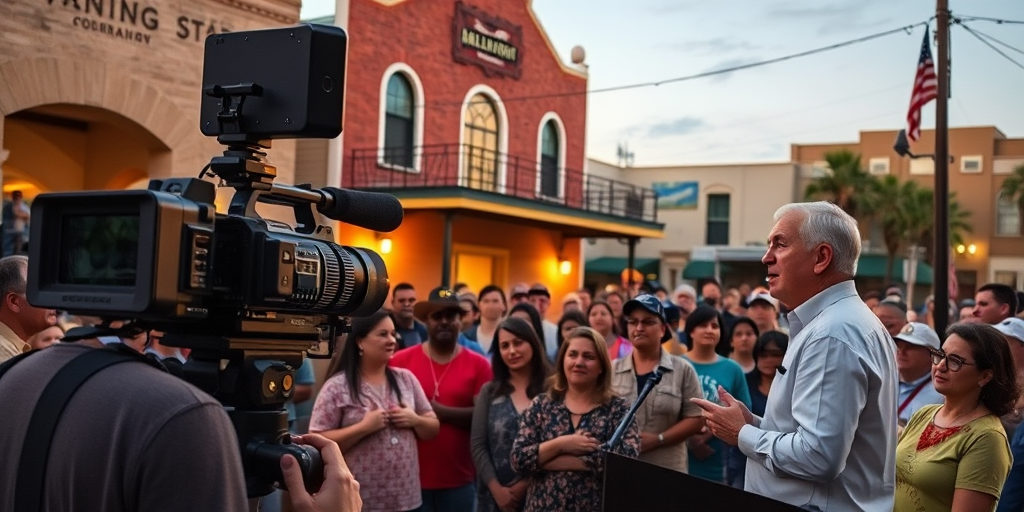
In an unusual yet decisive move, the South Texas Manufacturers Association (STMA) has officially endorsed a ‘yes’ vote on two pivotal statewide propositions set to appear on the upcoming November 4 ballot. During an October 23 meeting held in Harlingen, Texas, Mike Willis, the executive director of STMA, laid out the association’s unprecedented stance on Proposition 1 and Proposition 4—highlighting their potential impact on education and environmental infrastructure in the Rio Grande Valley (RGV).
Understanding the Propositions
Proposition 1 is centered around increasing funding for Texas State Technical College (TSTC), a crucial educational institution with a strong presence in the Valley. This funding seeks to expand technical training facilities, upgrade equipment, and enhance learning opportunities for local students, fostering a more skilled workforce. As Willis explained, “Investing in education is investing in the future of our manufacturing sector and broader economy. Proposition 1 is not just beneficial, it’s vital.”
Meanwhile, Proposition 4 aims to secure state funding for significant water projects—a pressing need for frequently drought-stricken South Texas. Water scarcity has often jeopardized agricultural productivity and municipal resources in the Valley, making this proposition particularly relevant. “Proposition 4 addresses our region’s water infrastructure needs directly,” Willis stated. “It’s crucial for sustainable development and for ensuring that Valley residents have access to reliable water resources.”
Local Impact: Boosting Education and Water Infrastructure
For the Rio Grande Valley, these propositions have profound implications. TSTC’s expanded funding under Proposition 1 would directly benefit local students and industries by aligning technical coursework with job market demands. This move is expected to invigorate the Valley’s economy by providing residents with better access to high-quality technical education tailored to local manufacturing needs.
Moreover, addressing water infrastructure through Proposition 4 is seen as a long-overdue response to recurrent challenges faced by the Valley’s residents. The proposition’s approval could lead to more efficient water usage, improved agricultural yields, and enhanced living standards. Local officials, like Commissioner Debra Ramirez, have voiced strong support, emphasizing the propositions’ role in driving regional growth.
“Water is the lifeblood of our community,” Ramirez remarked. “Support for Proposition 4 transcends political lines because it’s about securing our future and providing a stable foundation for our children’s development.”
Historical Context and Ongoing Challenges
The propositions also reflect ongoing efforts to address historical gaps in education and infrastructure funding in the Valley. In recent years, state and local administrations have grappled with budget cuts affecting schools and essential services. Propositions 1 and 4 offer a timely intervention that aligns with previous calls from community leaders for progressive and sustainable investment.
Valley resident and education advocate Emily Gonzalez sees this as a crucial turning point. “For far too long, we’ve faced obstacles due to underfunding,” she explained. “These propositions hold the potential to bridge gaps and propel us toward equitable development and opportunity.”
Future Implications: Driving Economic and Social Progress
If passed, Propositions 1 and 4 could set a lasting precedent for how state-level initiatives can foster local development. By bolstering technical education and safeguarding water resources, these measures not only address immediate needs but also lay the groundwork for sustainable growth in South Texas.
Nonetheless, discussions surrounding the propositions emphasize the need for accountability. Experts caution that transparent execution and oversight will be critical to ensuring funds are utilized effectively and equitably. Balancing innovation with fiscal responsibility remains a central theme as stakeholders consider potential long-term benefits.
Dr. Carlos Rivera, a policy analyst, underscores the importance of strategic planning. “Propositions alone aren’t panaceas,” Rivera noted. “Transformative changes require activation of community engagement, careful resource allocation, and long-term adherence to developmental goals.”
Voices and Perspectives
Support among Valley residents and officials for the propositions reflects the community’s resilience and commitment to progress, yet some caution remains regarding financial distribution and efficacy—factors that underscore ongoing regional dialogue.
Opponents of increased state spending like Andrew Vega, a local tax policy advocate, warn of potential economic setbacks. “We must ensure that these propositions don’t inadvertently increase the tax burden on our already strained budgets,” Vega argued. “While the goals are laudable, fiscal discipline and transparency are key to prevent unintended consequences.”
Engagement and Resources
Valley residents interested in learning more about Propositions 1 and 4 can attend upcoming informational events organized by STMA and local government bodies. These forums aim to provide clarity and encourage civic participation ahead of the election.
Overall, STMA’s endorsement of a ‘yes’ vote represents a significant step in the Rio Grande Valley’s journey toward economic resilience and sustainable infrastructure. As the election date approaches, Valley residents are encouraged to engage actively in shaping the region’s future—a future poised to be defined by innovation, community investment, and robust development strategies.