Rio Grande Valley Joins Nationwide ‘No Kings’ Protests
Unified Voices in South Texas
In an unprecedented display of unity, the Rio Grande Valley (RGV) has joined the nationwide ‘No Kings’ protests voicing opposition against the Trump administration’s policies. On October 18, demonstrators gathered in Brownsville, Harlingen, McAllen, and Weslaco, marking the RGV’s participation in what has already become one of the largest single-day protests in United States history. This political event underscores the Valley’s growing engagement with national issues and its residents’ desire to contribute to broader dialogue.
Background and National Context
The ‘No Kings’ protests erupted in June 2025, catalyzed by widespread dissatisfaction with the policies of the Trump administration concerning various issues, including immigration and perceived authoritarianism. According to reports from the American Civil Liberties Union (ACLU), over five million individuals have taken part in more than 2,100 events countrywide. This wave of protests reflects increasing national unrest, echoed by citizens seeking to reclaim democratic norms and challenge what they see as undemocratic practices.
Valley residents, known for their rich cultural diversity and historical connections with immigration issues, have shown that the political decisions at the federal level also reverberate deeply within local communities. The Valley Central website, an active platform for local news and resources, highlights these protests as part of a broader coverage of local, state, and national affairs, emphasizing the intertwined nature of regional and national issues.
Local Voices, National Issues
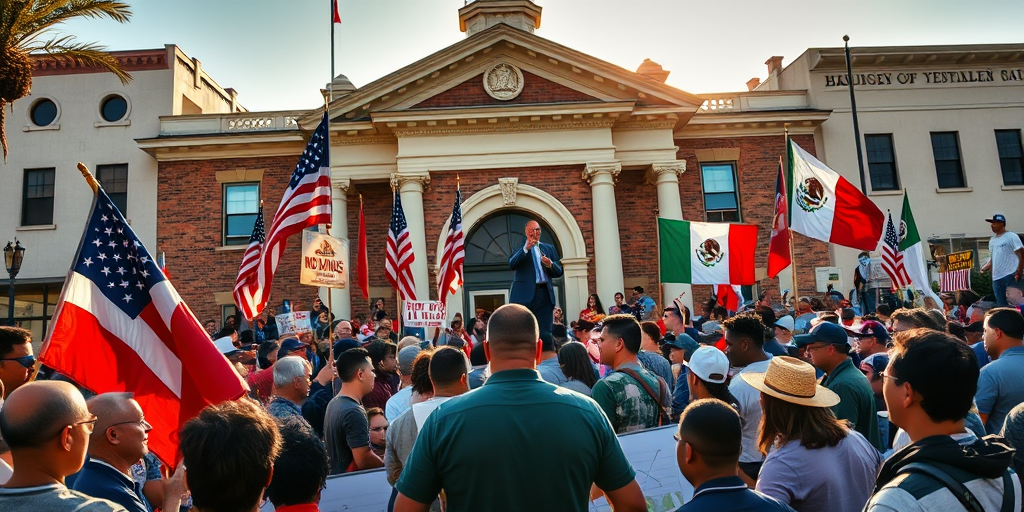
In the RGV, the protests were vibrant scenes of both solidarity and passionate dissent. At Harlingen City Hall, protestors gathered in hundreds, holding signs and waving American and Mexican flags—a testament to the bicultural identity deeply rooted in the Valley.
One participant, Etienne Rosas, stated, “It’s important for people to know that these kinds of movements are not just taking place here but everywhere. My goal is to show we have the Rio Grande Valley standing up. We need our voices to be heard.” These sentiments were echoed by Jeff, another protestor, who expressed his concerns over “illegal and anti-constitutional actions” threatening the nation’s future. Their words reflect a cross-section of Valley residents eager to contribute to a conversation that extends beyond the region.
Lauren Castillo, who stood defiantly under the Texas sun, remarked, “We all feel the same. The support is there; the majority is with us.” For RGV news, these demonstrations mark a significant moment, fostering community interest in political engagement and activism.
Impact on the RGV Community
For the Rio Grande Valley, these protests signify more than a reaction to federal policy; they are a rallying cry for recognition and respect for the Valley’s unique social and political position. Often overlooked in national discussions, South Texas communities are drawing attention to issues intimately affecting their daily lives, from border policies to economic challenges, urging the nation to consider the local impact of national decisions.
Connecting these protests to previous local events, the treatment and policies affecting migrants remain a contentious issue within the Valley. The region’s proximity to the Mexican border places it at the forefront of discussions surrounding immigration, with decisions from Washington having immediate repercussions for its citizens.
Future Implications and Diverse Perspectives
The momentum gained by the ‘No Kings’ protests poses potential future implications for the RGV. It could inspire further political organization, voter turnout, and involvement in both local and national political discourse, ultimately shaping the future of South Texas.
Voices from the Valley offer a range of perspectives on these protests. While many support the movement, some community members emphasize the need to balance activism with constructive dialogue, suggesting that bridging division calls for understanding rather than conflict. Yet, majority sentiments express the necessity for continued advocacy.
Cameron County Commissioner Sandra Lopez, commenting on the protests, stated, “As leaders, we must listen to our constituents and ensure that their concerns are addressed in a fair and just manner. The Rio Grande Valley is a community of resilience and diversity, and our unity in these protests showcases our commitment to democratic values.”
Resources and Further Engagement
The Valley Central website provides resources for residents interested in engaging with these issues, from submitting news tips to participating in community contests and initiatives, designed to bolster civic engagement. Furthermore, regular updates on weather conditions, such as storm preparedness and hurricane tracking, reaffirm the site’s commitment to serving and informing the community through comprehensive coverage.
As the RGV navigates this pivotal moment, local media outlets, community leaders, and residents continue to emphasize the importance of staying informed and participating actively in democratic processes. The ‘No Kings’ protests bring Valley residents together, reminding the nation of the critical role local communities play in shaping a shared future.