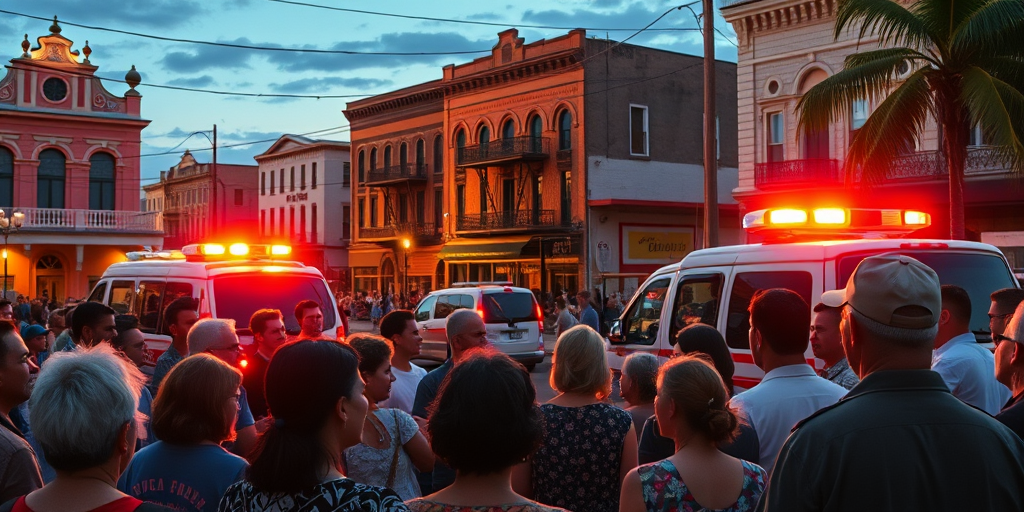
Smuggler Admits Guilt in Abandoning Migrant’s Body: A Stark Reminder for Rio Grande Valley In a troubling development, Victor Manuel Martinez-Gallegos, a Mexican national residing in Edinburg, South Texas, has pleaded guilty to charges involving human smuggling and abandoning the body of a deceased migrant alongside a remote road in Brownsville. As the U.S. Attorney Nicholas Ganjei denounces the dangerous business of human smuggling, this case accentuates ongoing border-related crimes and their profound implications for the Rio Grande Valley community. Combating the Perils of Human Smuggling On May 27, 2024, Martinez-Gallegos was involved in an incident where he transported several migrants to a stash house, including a Guatemalan national who tragically died at the location. In a bid to evade consequences, Martinez-Gallegos left the deceased man’s body by the roadside, an action described by Ganjei as a heartless disregard for life. “Human smuggling is a depraved, dangerous business, often showing no mercy or compassion to those transported,” highlighted Ganjei. This statement serves as a plea urging individuals to reconsider the perils of trusting smugglers with their lives. Scheduled for sentencing on December 17, Martinez-Gallegos could face life in prison and a hefty $250,000 fine, marking a stern stance on such crimes. For Valley residents, this case brings home the persistent and grim realities of border crime, urging both local and potential migrants to reassess their involvement and awareness. Current Criminal Climate Along the Border The case emerges at a time when crime rates in border areas appear to be rising. Recently, the FBI announced a $25,000 reward for information regarding an armed robbery and shooting incident involving hikers near the U.S.-Mexico border, emphasizing the region’s escalating security concerns. These episodes emphasize the pressing need for communities and law enforcement to remain vigilant. Moreover, ongoing investigations into covert drug operations illustrate a sophisticated network of smuggling routes, utilizing creative but illicit means like decorative figurines and soft drinks to traffic narcotics. A notable find was a tunnel discovered beneath a Texas vape shop, allegedly linked to cartel activity, revealing the lengths organized crime groups will go to maintain their operations. Shifting Border Dynamics: Policies and Community Impact New federal policies expedite border wall construction in California, drawing strong environmental opposition due to potential disruptions to the ecosystem. Despite small mitigations, such as “doggy doors” for wildlife, critics argue the ecological ramifications could last generations. This highlights a broader conversation about sustainable border security across South Texas, where similar debates persist. Perhaps most concerning are reports suggesting that reallocating thousands of federal agents to support ICE operations may undermine national safety. Combined with increasing migrant deaths in custody, there is a growing urgency to evaluate and perhaps reform detention practices. For the RGV community, these developments illustrate an intersection between policy and human rights, demanding a balanced approach to resolving these challenges. Economic and Social Developments Despite the troubling trends on border crime, notable economic advancements are reshaping the broader regional landscape. Mexican political leader Claudia Sheinbaum announced a significant decrease in poverty levels, citing 13.5 million fewer citizens living below the poverty line due to governmental initiatives. Additionally, a U.S.-based tech firm plans a $4.8 billion investment in a data center in Mexico, signaling progress towards a digitized economy south of the border. Texas cotton farmers face their own set of challenges, contending with the invasive cotton jassid pest threatening future crops. These agricultural disruptions, if unmanaged, could affect local economies dependent on cotton production, highlighting the necessity for innovative pest management strategies. Finally, emergent policies are making it harder for immigrants to acquire Commercial Driver’s Licenses (CDLs), potentially choking a vital economic sector reliant on diverse workforce participation. Valley residents reliant on transportation jobs may face new hurdles amidst these evolving regulations. Community-based Reactions and Resources In response to these multifaceted issues, local leaders and community members are calling for increased dialogue and resource allocation to support those affected by border insecurities and economic transitions. Grassroots efforts remain pivotal, advocating for holistic solutions encompassing public safety, economic growth, and humanitarian care. For more information about current programs and community forums regarding border issues, Valley residents can contact local advocacy groups or engage with initiatives supported by civic organizations in McAllen and Brownsville. Ganjei’s remarks resonate: “Stay home and stay safe,” not as a halt to dreams but a protective counsel in navigating an uncertain reality. As this narrative unfolds, the collective action and resilience of the Rio Grande Valley stand as paramount symbols, calling for vigilance, collaboration, and a shared commitment to an equitable and thriving community.