**Street Overlay Project Underway in La Villa: Paving the Path for Growth**
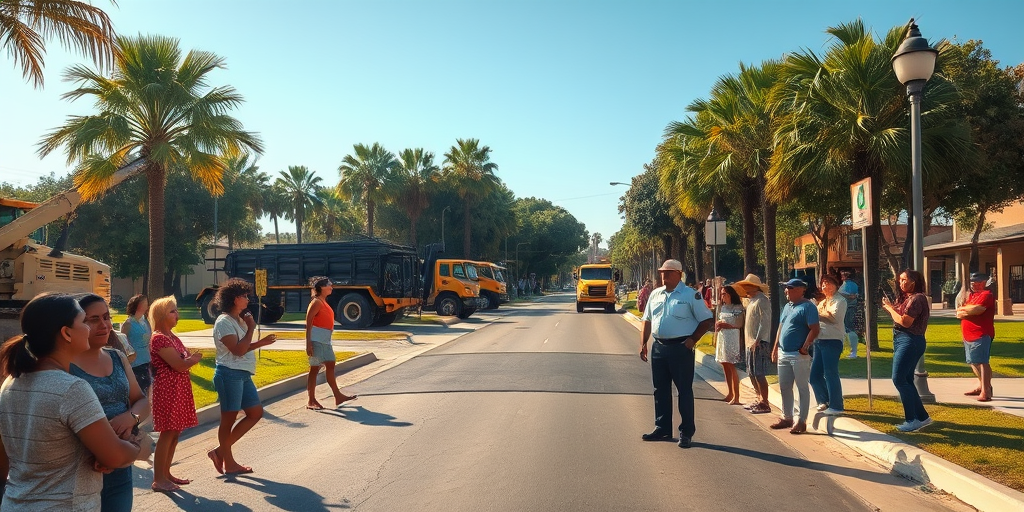
La Villa, Texas, a small but growing community in the Rio Grande Valley, is currently witnessing significant infrastructural development aimed at fostering economic growth. The city has embarked on a street overlay project funded by $700,000 in federal block grants from Hidalgo County, signaling an investment in the local future.
Project Overview and Funding
The street overlay project involves repaving key roads in La Villa, intending to improve transportation infrastructure and ultimately attract new businesses and residents. According to Tony Barco, the City Administrator of La Villa, this endeavor is seen as a necessary step in enhancing the city’s appeal and functionality. “Investing in our streets is investing in our community’s future,” Barco remarked.
La Villa city officials approved this project through federal block grants, highlighting a collaborative effort with Hidalgo County to ensure these updates are robust and long-lasting. In the first phase of this initiative, several roads, including 1st and Emmanuel Streets, have already received fresh asphalt, with more streets like 7th Street, Cardinal Lane, and Cottonwood next in line. The second phase is anticipated to commence in January 2026, focusing on 10th and parts of 2nd Street.
Local Impact: Improved Infrastructure and Community Response
For Valley residents, this project is a beacon of progress. Upgrading infrastructure not only provides immediate benefits, such as improved safety and convenience, but also positions La Villa as an attractive location for future developments and investments in South Texas. Jose Rodriguez, a local business owner, expressed his optimism, noting, “Better roads mean a better connection with nearby cities, which can only be good for business.”
Additionally, this infrastructure improvement aligns with regional efforts to enhance quality of life and boost economic prosperity. With smoother roads, the potential for increased traffic flow could positively impact local business, tourism, and property values—key factors in community interest.
Challenges and Considerations
Despite the promising outlook, several challenges accompany such projects. Ensuring minimal disruption to daily life and maintaining transparency about project timelines are crucial. During a recent city council meeting, concerns were raised about the project’s scope and potential traffic inconveniences during construction. However, city planners are committed to open communication, regularly updating residents on progress and addressing any issues promptly.
Understanding the intricacies of project management and adherence to allocated budgets are paramount to executing these changes effectively. The collaboration between Hidalgo County and La Villa underscores the importance of strategic partnerships in regional development. Commissioner Sandra Sanchez commented, “It takes a united effort to bring about such transformative change, and we’re thrilled to see this project come to fruition.”
Connection to Broader Regional Growth
This overlay project is part of broader initiatives seen across the Rio Grande Valley aimed at revitalizing infrastructure and encouraging economic development. Neighboring cities are undergoing similar transformation projects, reflecting a collective effort across South Texas to foster a more connected and vibrant region.
Recently, the Rio Grande City Animal Control launched as an independent department in a structural move illustrating shifting governance dynamics, similar to infrastructural changes. These developments represent a concerted effort to modernize public facilities and services for Valley residents.
Future Prospects and Community Engagement
Looking forward, the successful completion of the street overlay project could set a precedent for future developments in La Villa and beyond. Should this infrastructure transformation lead to the intended growth, it is likely that similar projects could be initiated in the region, potentially drawing interest from wider-ranging investors and developers.
For those interested in staying abreast of the project’s progress or becoming involved in community planning or feedback, local residents can attend city council meetings, which are open to the public. Additionally, the city’s official website and social media channels provide regular updates and opportunities for citizens to voice their perspectives.
In summary, the developments underway in La Villa represent a promising advancement for the community and the Rio Grande Valley as a whole. While challenges remain, the benefits of these infrastructural improvements have the potential to foster lasting economic growth and make La Villa an even more attractive place to live and work