**Ice Visit Leaves Weslaco Construction Workers in Fear**
A recent visit by U.S. Immigration and Customs Enforcement (ICE) agents to a construction site in Weslaco has left local workers anxious and disrupted ongoing work on a new subdivision. This visit has been part of a broader wave of immigration-related activities in the Rio Grande Valley (RGV), causing concern among Valley residents about their safety and rights.
Fear Halts Construction Work
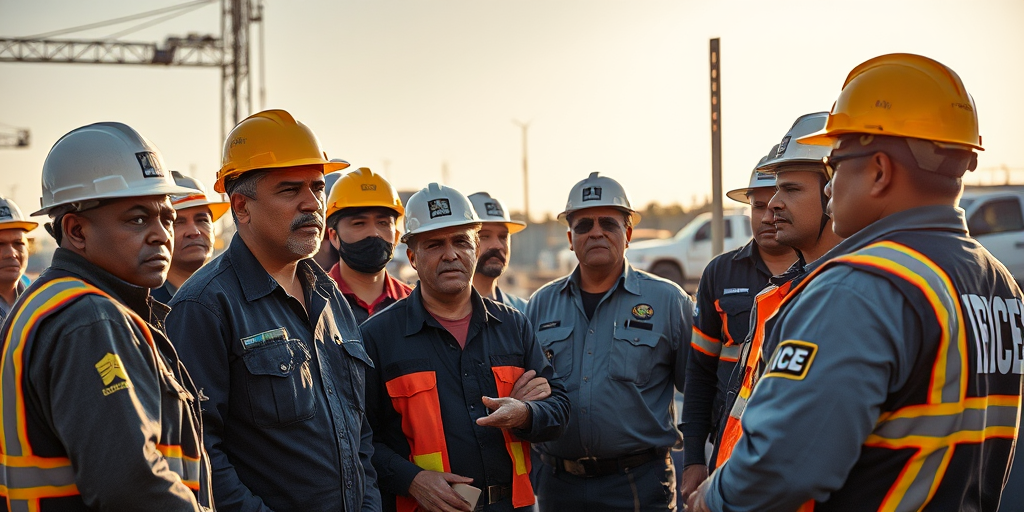
According to Ruben Torres, a construction foreman on the site, many workers have been avoiding work since the surprise visit by ICE agents. “They’re not going out to work, so the work is getting a little behind,” Torres stated, describing the immediate local impact on the project destined to provide homes for Valley families.
Torres explained that his crew was in panic when agents arrived looking for undocumented immigrants. Even though no arrests were made, the fear has kept workers at bay. “We feel kind of scared,” he admitted, reflecting the general sentiment among many Valley residents who now face increased anxiety regarding immigration enforcement activities.
Challenges to Authority on Private Property
The ICE agents, lacking a warrant, were questioned by Torres about their authority to be on private property. “I just asked them if they had a warrant or something to enter the property because it’s private property. They said no, they didn’t have anything,” Torres recounted. The incident raises questions about the balance between enforcement duties and the protection of individual rights on private property.
Carlos Moctezuma Garcia, an immigration attorney based in the Valley, explained the rights of individuals during such encounters. “You have a right to remain silent, you have a right to ask to see an immigration judge,” Garcia advised, emphasizing the importance of knowing one’s rights to prevent unlawful detainment.
Larger Implications for the Rio Grande Valley
The tension caused by increased ICE activity not only disrupts work but also affects the core economy and community stability of the RGV. With construction sites being common targets, other sectors could soon face similar interruptions. This points to a broader concern for businesses relying on immigrant labor across South Texas, where such disruptions could lead to significant workforce shortages.
Community leaders are urging a dialogue to address these immigration enforcement methods, which they argue should consider the unique socioeconomic context of the Valley. Local advocacy groups, including those aiding immigrant rights, are stepping up efforts to educate and support Valley residents, ensuring they are informed about their legal protections.
Connecting to Broader Challenges
The current climate of fear mirrors previous periods of heightened immigration enforcement in the Valley. Historical tensions related to border control and immigrants’ rights are being revisited, requiring careful and compassionate handling to foster community interest and cohesiveness.
With the economic backbone of the Valley heavily reliant on sectors employing a diverse demographic, the implications of such fear and disruption are magnified. Continued immigration enforcement at local levels could lead to broader economic ramifications and strain on service providers, who already juggle the challenges of a transient border population.
Community Resources and Engagement
For those in the community facing uncertainty, resources are available to provide guidance. Local organizations are offering legal workshops and information sessions. The KRGV app and website provide ongoing updates on local developments, while emphasizing community support through various interactive features.
The uncertainty and fear stemming from immigration raids necessitate open lines of communication and concerted support from local authorities, advocates, and residents. Engagement will be key to balancing immigration enforcement with respectful treatment of all residents, irrespective of their status.
As Weslaco’s construction workers and the wider community navigate these challenges, the dialogue centering on human rights, dignity, and the pursuit of secure livelihoods remains ever pertinent for South Texas. Promoting understanding and cooperation will be crucial for protecting the vibrancy and resilience of the Rio Grande Valley.
In a landscape marked by fear and frustration, the Valley stands strong, united in hope for meaningful change and a commitment to respecting the diverse tapestry that makes up its community fabric.