Harlingen’s Canal Widening Project: A New Hope for Flood-Prone Residents
Efforts to mitigate flooding in the Harlingen area have reached a pivotal moment as construction begins on a canal widening project aimed at enhancing water management and offering relief to residents frequently besieged by floodwaters. The project, spearheaded by Cameron County Drainage District #5, promises to reshape how water is handled following heavy rains, intending to expand local drainage channels which have long needed an overhaul.
Project Insights and Local Optimism
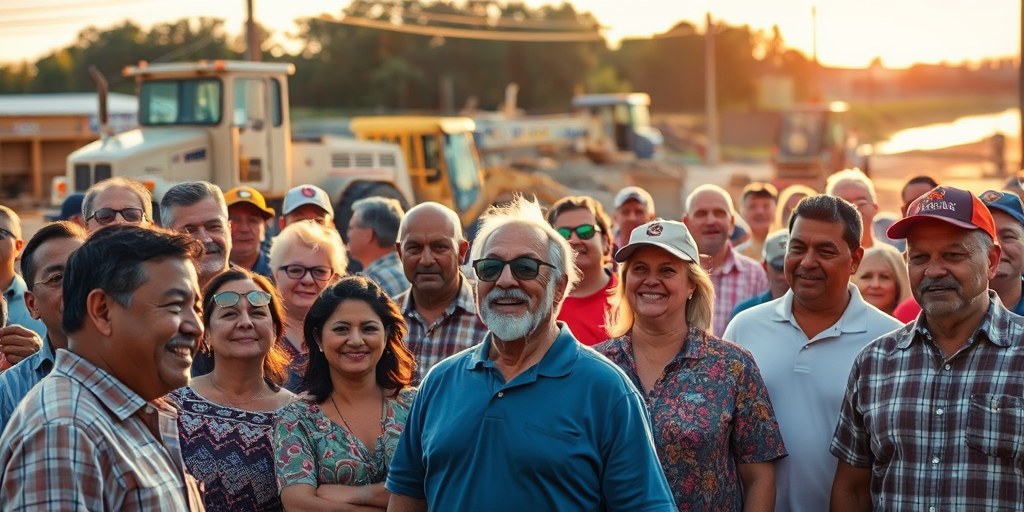
Wendy Velasquez, a homeowner in the Los Ranchitos neighborhood, is one of many residents who welcomes this initiative. Since moving to the area in 2017, Velasquez’s home has flooded twice—most recently during the torrential rains of March 2025. “I woke up and the machinery is here, and I just couldn’t be happier,” she exclaimed, reflecting the community’s anticipation of reduced flood risk.
The undertaking involves clearing and expanding existing drainage channels, similar to the successful enhancements made earlier this year to the Stuart Place Main Drain, which serves as a critical water conduit for Harlingen and surrounding communities. “We’re looking at all the channels we have, we want to widen them,” said Rolando Vela, General Manager of Cameron County Drainage District #5. Vela emphasized the project’s importance in coping with major rainfalls, “when we get major rains, we’re able to move the water downstream into the Arroyo.”
The Regional Ripple: Broader Implications
This canal expansion is not just a remedy for Harlingen; it’s a beacon for the broader Rio Grande Valley (RGV). Historically, the RGV has grappled with effective flood management amid increasingly severe weather patterns. The widening of drainage channels across 70 miles in the district stands as a proactive measure towards sustainable urban planning in South Texas.
Residents of the Valley understand too well the disruptions caused by flooding. Issues stemming from stormwater overflow touch on more than just infrastructure—health, safety, and economic stability are all intertwined. In Brownsville, for example, local businesses are already reeling from construction-related commerce dips, exacerbating the economic strain that flooding could compound.
Broader Community Engagement
Beyond infrastructure changes, community initiatives complement efforts to bolster resilience. In Edinburg, volunteers have stepped up, distributing thousands of pounds of food to tackle food security, highlighting a culture of mutual aid within the Valley. Such collective responses are vital in times of climate adversity, underscoring the necessity for community interest in fostering long-term resilience through both tangible measures and community solidarity.
While flood mitigation endeavors press on, the oscillating weather patterns, characterized by recent scattered showers and thunderstorms, highlight the urgency of these improvements. The KRGV FIRST WARN 5 Weather app remains an essential tool for residents needing real-time weather updates, signaling a call for greater awareness and preparation amid volatile forecasts.
Looking Ahead: Potential Outcomes and Feedback
The canal project may eventually offer a blueprint for other flood-sensitive regions in South Texas. However, balancing environmental and economic factors is critical. Some environmental advocates urge for enhanced environmental assessments to ensure that canal enlargements do not inadvertently impact local ecosystems.
The initiative’s success hinges on thorough execution and adaptation to forthcoming challenges. Officials stress that transparent communication with RGV residents, through public briefings and accessible channels, is key to aligning expectations and addressing concerns. Ensuring inclusivity in these discussions fosters a sense of ownership and collective responsibility among Valley residents.
Resource Connection and Community Support
For locals eager to be involved or learn more, Cameron County Drainage District #5 plans to offer detailed project updates. Information sessions and channels for public feedback will allow Valley residents to remain informed and engaged, contributing insights to refine project implementation progressively.
As the waters of Harlingen and the broader RGV are slated for more efficient management, Valley residents like Velasquez remain hopeful for a future where homes stand safe from deluges — a testament to the power of community-drive initiatives in overcoming historical challenges. With each step forward, the area inches closer to realizing a sustainable balance between thriving communities and resilient environments.