Vote and Ride: VIA Metropolitan Transit Offers Free Election Day Transportation
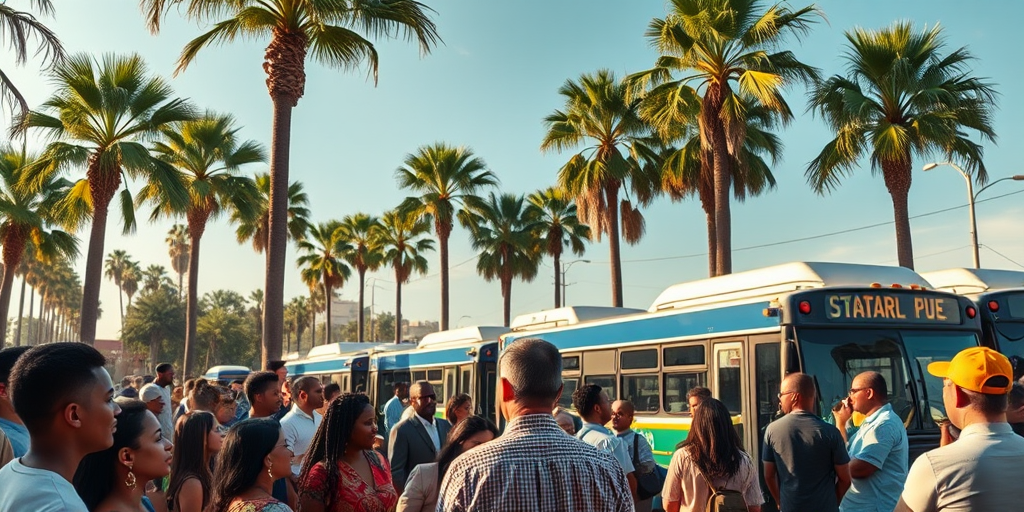
As the November election approaches, VIA Metropolitan Transit in San Antonio announces the continuation of their “Ride VIA to Vote” initiative. On Election Day, registered Bexar County voters can avail themselves of free bus and van rides to polling locations. This program, which began in March 2016, aims to remove transportation barriers and increase voter turnout for municipal, state, and federal elections.
Supporting Voter Turnout Through Free Rides
To participate in the “Ride VIA to Vote” program, passengers must present a valid voter registration card from Bexar County to ride fee-free. This initiative benefits voters across the VIA service area, providing access through regular bus services, VIAtrans paratransit services, and VIA Link services.
“Ensuring everyone has an equal opportunity to vote is core to the democratic process,” said Patricia Rodriguez, VIA’s Community Engagement Officer. “By offering free rides, VIA is reaffirming its commitment to the community and supporting active civic engagement.”
Impact on the Rio Grande Valley
The announcement of VIA’s transportation initiative echoes beyond Bexar County, impacting neighboring regions like the Rio Grande Valley (RGV). Although VIA’s direct services do not extend to the RGV, similar initiatives could inspire local transit authorities in Hidalgo, Cameron, and other nearby counties to explore comparable programs, thus enhancing public access to voting.
For Valley residents who work or study in San Antonio, this initiative could indirectly facilitate their participation in the election, addressing a common challenge for those relying on public transit. Increased voter turnout in San Antonio can also influence legislative priorities that affect South Texas communities.
Connected Context: Regional Transportation and Civic Participation
Transportation challenges have long been a barrier to voter participation throughout South Texas. In the RGV, where public transportation infrastructure is evolving, finding innovative solutions to increase accessibility can be pivotal. Past community efforts have spotlighted the need for improved transit services to support better civic engagement.
Valeria Martinez, a community organizer in Brownsville, highlighted the broader implications of VIA’s example, saying, “Improving access through strategic transit options can empower underrepresented communities and elevate their voices significantly.”
Future Prospects and Community Engagement
VIA’s initiative not only sets a precedent for transit authorities locally but encourages a reevaluation of how public services can serve as tools for civic empowerment. Looking forward, stakeholders are encouraged to consider adapting similar measures tailored to the unique geography and needs of the RGV.
While the initiative focuses on practical support for Bexar County voters, it sparks necessary conversations on how to engage the entire South Texas region in civic activities. If successful, this program could serve as a template for scalable pilot projects in the Valley, fostering region-wide voter inclusivity.
Balanced Perspectives: Benefits and Considerations
Undoubtedly, reduced transportation costs can alleviate some barriers to voting; however, some critics may question the financial implications on transit budgets and resource allocation. As public services navigate these concerns, establishing sustainable solutions that do not compromise fiscal stability remains crucial.
Encouraging dialogue with voters, community leaders, and local government officials can aid in refining these initiatives for optimal impact. Aligning transit solutions with broader community goals ensures that investments yield substantial social returns.
Local Resources and Information
For Valley residents interested in understanding similar transportation programs, local public transit authorities can provide valuable information through their online platforms. Additionally, community organizations may host forums to gather insights and feedback that inform prospective initiatives.
Ultimately, VIA’s “Ride VIA to Vote” program underscores the potential of collaborative efforts in enhancing voter participation. As regions like the Rio Grande Valley observe this example, they are motivated to explore creative pathways in strengthening their democratic frameworks, ensuring that every vote truly counts.