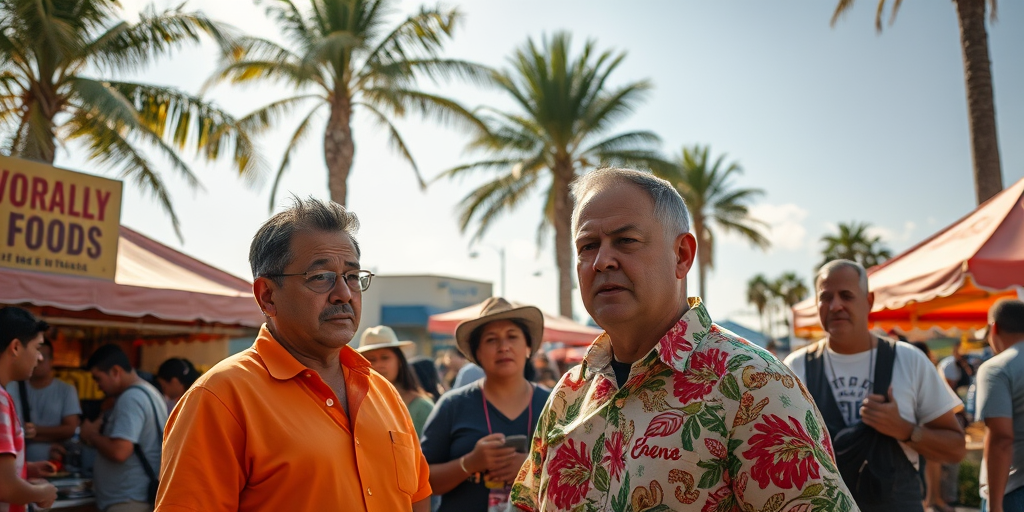
Honolulu’s Culinary Scene: Leading Yet Costly, While Pearl City Struggles Honolulu may not have topped the charts as America’s ultimate foodie destination, but its vibrant culinary scene still secured a commendable ranking. In the 2025 “Best Foodie Cities in America” report, Honolulu was placed at number 57, recognized notably for its food diversity and quality. However, the high cost of eating out and grocery shopping significantly impacted affordability rankings, a common concern shared with Pearl City, which unfortunately found itself at the bottom of the list, ranked 182nd. Diversity and Quality Amid High Costs Honolulu’s high standing in diversity and quality – ranked 23rd – speaks volumes about its gastronomic offerings, from local Hawaiian specialties to international cuisines. Yet, both Honolulu and Pearl City tied at the very end for affordability. With astronomical grocery prices and dining costs, these cities were ranked 182nd in the affordability category, making it a challenging environment for budget-conscious food enthusiasts. Perhaps more concerning was Pearl City’s minimal culinary landscape, reporting the least number of restaurants, coffee shops, and ice cream parlors per capita. As the demand for diverse and accessible culinary experiences grows, this lack raises questions about potential economic and social impacts on local residents and businesses. Analyzing Local Implications While this might seem a distant concern for those in the Rio Grande Valley, understanding the dynamics between food diversity, quality, and affordability can offer valuable lessons. These insights could inform local economic development strategies to bolster South Texas’s budding culinary scene. The RGV, known for its rich blend of Hispanic and American cultures, has the potential to position itself as a competitive foodie hub by learning from Honolulu and Pearl City’s rankings. Jorge E. Rodriguez, an economist at the University of Texas Rio Grande Valley, explains: “The Valley should take note of Honolulu’s balance between diversity and quality, ensuring it’s not overshadowed by prohibitive costs. Affordable food access can be a driver for tourism and local prosperity.” Connections to Local Challenges Similar affordability concerns exist within the RGV’s food industry. Recent efforts to support local farmers’ markets and food banks have underscored the need for accessible, reasonably-priced food options. In contrast to Honolulu and Pearl City, innovative solutions to food accessibility could cement the region’s place on the culinary map while ensuring inclusivity and economic sustainability, issues frequently highlighted in RGV news. “The struggle of merging quality and affordability hits home for many Valley residents. As we expand our food culture, it’s vital to learn from other regions’ challenges to avoid similar pitfalls,” commented Rafael Banda, a Brownsville-based community activist. Prospects for the Future Looking forward, if cities like Honolulu can resolve the tension between gourmet diversity and steep costs, they could pave the way for other regions—including the RGV—to achieve similar success. Effective policies and community-driven initiatives could stimulate growth in local economies and employment through the vibrant culinary sector. “If Pearl City can gradually turn its rankings around by fostering local business growth and reducing operational costs, these lessons can be universal,” remarked Maria Gonzalez, a food policy expert in Edinburg, emphasizing the learnings that Valley residents could leverage. Engaging Differing Viewpoints While affordability remains a critical barrier, some argue that the prestige of an exotic food scene can warrant higher prices. Derrick Chun, a Honolulu-based chef, argues that prices reflect the cultural value and distinctiveness of local and overseas flavors. “At the end of the day, offering a culinary mosaic draws tourism, which is vital for our economy.” Critics, however, highlight that cities must balance between exclusivity and accessibility. “Broadening affordability doesn’t diminish excellence. Instead, it allows more people to experience what makes each city’s food culture unique,” countered Chef Ana Ramirez, a Mission, Texas culinary expert. Resources for the RGV Community For those interested in learning more about culinary diversity and quality, local educational institutions and cultural centers in the RGV provide workshops and events that explore these themes. The Rio Grande Valley Food Bank remains a crucial resource for supporting affordable access to quality food for all residents. By drawing on insights from Honolulu and Pearl City’s culinary landscapes, the RGV can enhance local impact by developing a thriving, inclusive food culture that not only emphasizes diversity and quality, but remains affordable and accessible to every Valley resident.