The COMET Facilitates Voter Access with Free Rides on Election Day
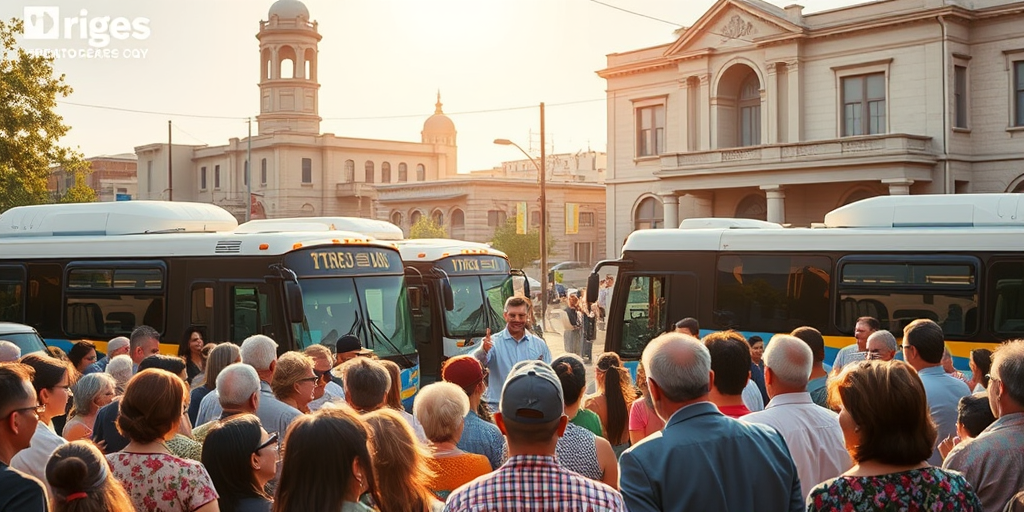
In a significant move to enhance voter participation, The Central Midlands Regional Transit Authority, known as The COMET, will be providing free bus rides on November 4, 2025, to assist citizens in reaching polling stations for the elections held in Columbia, South Carolina. This initiative includes services on fixed-route buses and Dial-A-Ride Transit (DART) offerings, ensuring broad accessibility for all voters.
**Enhancing Voter Accessibility**
The decision underscores a growing acknowledgment of the importance of accessible transportation in facilitating civic engagement, particularly voting. Maurice Pearl, the Executive Director/CEO of The COMET, articulated the significance of the initiative, stating, “Voting is an essential activity that provides citizens with an equal opportunity to let their voices be heard. Having a reliable way to get to the polls is the first step in that process.”
With accessible voting already a focus of national discussions, efforts by local transit like The COMET’s are applauded in communities aiming to increase participation this election cycle.
Reaching Out to Diverse Communities
To support older adults and those with disabilities, additional services via DART are arranged to ensure they reach their designated polling locations with ease. Community members can plan rides using the Transit App or The COMET’s website, while specific needs can be handled via a specialized phone service (803-255-7123), where users can specify their destination as a polling location.
**Local Impact on the Rio Grande Valley**
While The COMET’s initiative specifically targets Columbia, South Carolina, the concept of transportation facilitation for voters has significant implications for regions like the Rio Grande Valley (RGV) in South Texas. Accessibility to polling stations remains a critical issue, especially in areas with sprawling geography and limited public transportation infrastructure.
According to Maria Sanchez, a Brownsville civic organizer, “The Valley can learn a lot from such efforts. Similar initiatives could boost voter turnout here, where transportation barriers often limit community engagement.” This context is vital given the diverse population of RGV, where language barriers and geographic spread further complicate voting access.
Reflection on Ongoing Issues and Community Initiatives
This initiative arrives amid various local challenges that also impact accessibility and participation. In recent years, the RGV has been actively engaging communities through targeted projects like voter registration drives and educational campaigns to increase awareness about the importance of voting within underrepresented groups.
“In many respects, facilitating transport is part of a broader strategy needed to expand local voter turnout,” noted Dr. Antonio Hernandez, a political science expert at the University of Texas Rio Grande Valley. “While transport is key, combining it with educational efforts on candidate platforms and policy implications is crucial for maximizing impact.”
Future Prospects and Broader Implications
If successful, Columbia’s approach could serve as a blueprint for similar programs in the RGV, evolving into sustained efforts that enhance civic engagement across the Valley. Community leaders may use this example to advocate for collaborative measures between transit authorities and local governments to ensure that every resident has an opportunity to participate in democracy.
However, beyond immediate logistics, ensuring lasting impact requires addressing potential concerns, such as those related to funding and resource allocation. Engaging with community feedback and maintaining transparent communication about program effectiveness are pivotal to overcoming these challenges.
Contact and Resource Information
For those interested in more detailed information about Columbia’s initiative, or exploring potential applications locally, visiting The COMET’s official website or contacting their voter assistance services could provide valuable insights. Additionally, Valley residents involved in civic projects or those interested in transportation strategies can reach out to local transit officials to discuss feasibility and collaboration opportunities.
The COMET’s initiative exemplifies a transformative step towards ensuring accessible voting and fostering broader community engagement. While specific to Columbia, its foundational principles resonate with the RGV, shedding light on how transportation and civic participation are intricately intertwined, ultimately benefiting all community members. As the story continues to unfold, it remains a potent reminder of the positive impact that thoughtful infrastructure planning can have on democratic processes.