UCD Reaffirms Commitment to Reducing Diabetes in the RGV
In a bold reaffirmation of their long-standing goal, Unidos Contra La Diabetes (UCD) has pledged to reduce diabetes prevalence in the Rio Grande Valley (RGV) by 10% before 2030. This ambitious target was a focal point at the 2025 Mini Symposium and Health Fair held recently in Weslaco, Texas. The event underscored the critical role of education in combating diabetes, particularly in a region burdened with one of the highest rates of the disease in the nation.
Empowering Households Through Education
Moises Arjona, the director of UCD, emphasized that education is key to addressing diabetes, noting that many Hispanic families in the RGV reside in multi-generational homes where cultural dynamics heavily influence health decisions. “We have grandma in the household, dad, brothers, and sisters. Sometimes three or four generations live together,” Arjona remarked. “Let’s get them all together and teach them.”
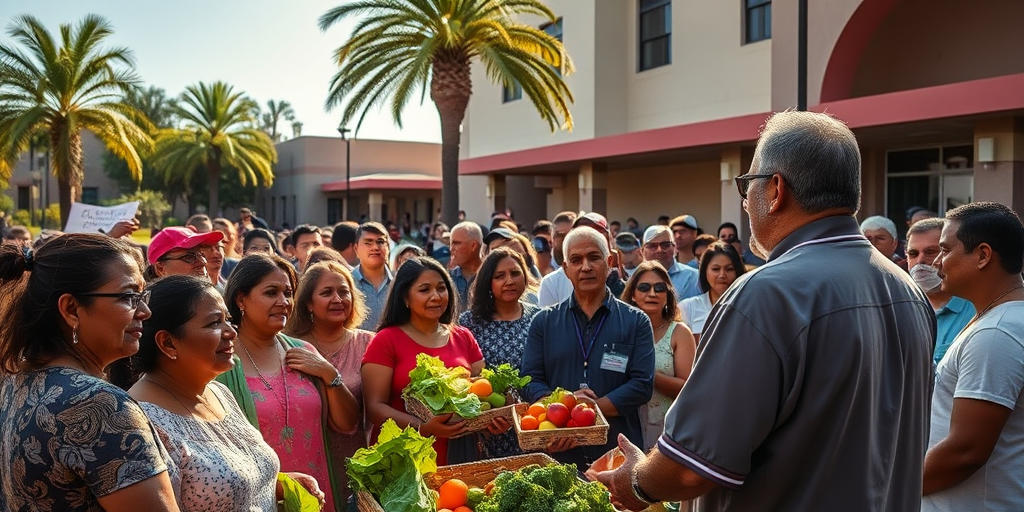
The symposium featured breakout sessions led by healthcare experts discussing type 2 diabetes prevention and awareness. Attendees could also participate in health screenings, access educational materials, and join activities like a mini-Zumba class, while fresh produce distribution by the Food Bank of the Rio Grande Valley highlighted the event’s holistic approach.
Challenges and Cultural Barriers
Despite the slow progress — only a 0.5% reduction in diabetes rates has been reported, against a backdrop of an estimated 43.95% prevalence in the Valley — UCD continues with resilience. Arjona highlighted cultural barriers that impede health-seeking behaviors, such as the “susto” or fear of doctors, which prevents many from seeking timely medical care. The looming threat of Medicare cuts and the expiration of Affordable Care Act subsidies further jeopardizes healthcare access in the region, potentially stalling the progress made thus far in this underserved community.
“Many people are scared to find out if they are sick,” commented Arjona, pointing out that cultural customs and lack of access have been significant roadblocks. Yet, he remains hopeful, noting that “the subsidies actually help people to visit the doctor and get checked.”
The RGV: A Community at Risk
In the U.S., approximately 11.6% of the population is affected by diabetes, but the numbers surge in the RGV, highlighting a desperate need for targeted interventions. UCD’s commitment through culturally-sensitive education and their innovative two-generation approach—engaging both patients and their families—is particularly notable. This effort is tailored to suit the RGV’s unique social fabric, where collective family health often governs individual health behaviors.
Jose Martinez, a local health advocate, acknowledges the significance of these strategies: “By involving the family, particularly in Hispanic households, you build a foundation that supports and facilitates healthier lifestyle changes. A united approach can make a real difference.”
Looking Ahead
While the situation is challenging, UCD is unwavering in its drive to promote health awareness. The organization plans to reinforce its outreach efforts, as evidenced by the upcoming health fair slated for American Diabetes Alert Day on March 24 in Willacy County. This ongoing initiative seeks to mobilize Valley residents to take charge of their health and partake in future educational events, extending an open invitation for community involvement.
Valley residents, healthcare providers, and policymakers alike are encouraged to remain engaged and support pioneering efforts like those spearheaded by UCD. The answer to tackling such pervasive health issues within their community lies in sustained activism, comprehensive education, and embracing culturally relevant interventions.
For anyone wishing to learn more or participate in UCD’s initiatives, further information is available through the organization’s website.
Conclusion
Ultimately, the united front demonstrated by UCD and similar organizations in South Texas underscores the shared responsibility of addressing diabetes in the RGV. As the community strives to combat the disease against a backdrop of challenges, initiatives like these underscore a deeper commitment to ensuring generational well-being and safeguarding future health in the Valley. Through concerted, culturally-attuned fundraising and educational efforts, significant inroads are being made to meet an ambitious, yet achievable, goal.