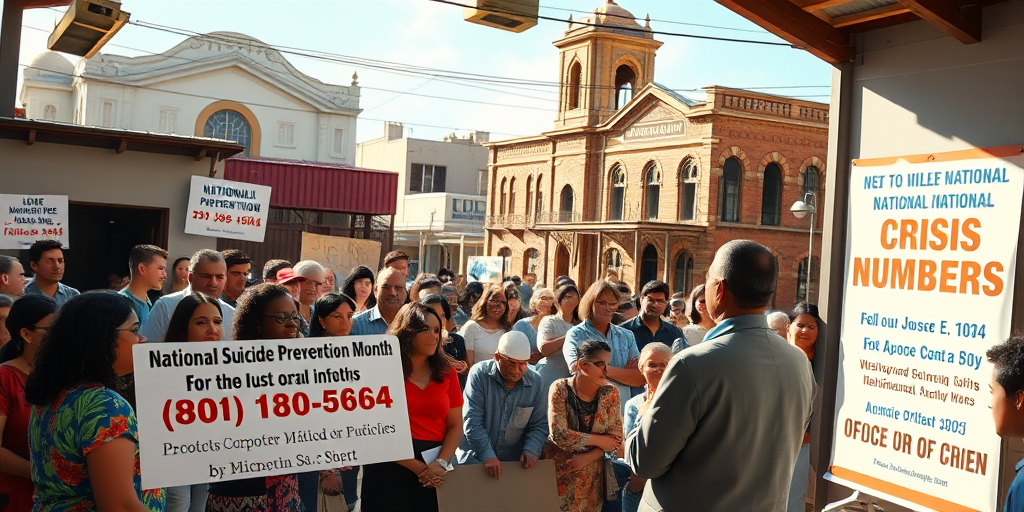
National Suicide Prevention Month: A Call to Action in the Rio Grande Valley The month of September marks National Suicide Prevention Month, an annual initiative dedicated to raising awareness and addressing the pervasive public health issue of suicide. As one of the leading causes of death in the United States, suicide claims the lives of over 49,000 individuals each year, touching countless others who are left grieving in the aftermath. In the Rio Grande Valley (RGV), like many other regions, this month serves as a crucial period to acknowledge the impact of suicide and foster community engagement in prevention efforts. Understanding the Scope of the Issue Suicide does not discriminate; it affects people across all ages, genders, and races. While it’s often linked to mental health disorders, it’s important to recognize that individuals without any prior mental health history can also experience suicidal thoughts. A significant stigma still surrounds discussions of suicide, which can exacerbate feelings of isolation among those who are struggling. National Suicide Prevention Month aims to remove this stigma, encouraging open dialogue and connecting people with support resources available in the community. Community Voices: Expert Insight Dr. Jose E. Igoa, a psychiatrist and medical director at DHR Health Behavioral Hospital, emphasizes the importance of community involvement in suicide prevention. “We need to check in on one another,” Dr. Igoa advises. “Sometimes, just listening and showing you care is the first step in reminding someone that they are not alone.” For those in the RGV experiencing suicidal thoughts or crises, reaching out to professionals, such as counselors or crisis lines like the 988 Suicide and Crisis Lifeline, is encouraged. The DHR Health Behavioral Hospital offers additional support, providing free screenings and assistance through their contact number at (956) 362-4357. The Local Impact on the Rio Grande Valley Suicide prevention efforts hold particular significance in the RGV, a region that faces unique socio-economic challenges. According to local mental health advocates, the combination of economic stressors and cultural barriers can create additional hurdles for those seeking help. Marta Gonzalez, a community advocate, explains, “The stigma can be even greater in close-knit communities where discussing mental health can be viewed as a sign of weakness. Events during National Suicide Prevention Month are vital for addressing these misconceptions and encouraging Valley residents to prioritize mental wellbeing.” Connecting to Local and Historical Contexts In recent years, several high-profile cases of suicide in South Texas have underscored the urgent need for improved mental health support systems within the community. This has led to increased advocacy for better mental health resources and education across schools and workplaces in the RGV. The community’s response has been proactive, with local organizations collaborating on initiatives that focus on education, providing mental health first aid training, and promoting the importance of seeking help. These steps are crucial in dispelling myths and building a community where individuals feel safe to express their feelings without judgment. A Vision for the Future As National Suicide Prevention Month progresses, the need for sustained efforts in mental health advocacy is clear. The long-term goal is to normalize mental health conversations and create systems that provide consistent support to those in need, ultimately reducing suicide rates in the RGV. Looking ahead, these initiatives could inspire similar efforts in other parts of South Texas and beyond, strengthening the state’s overall response to this public health crisis. Nonetheless, Dr. Igoa reminds community members that the impact of prevention starts with individuals: “Checking in on those around us, ensuring they know they have people who care, can make all the difference.” Resources and Support for Valley Residents For anyone in the Rio Grande Valley seeking support or information during National Suicide Prevention Month, several resources are available. Community events offering information and support are scheduled throughout the month, providing an opportunity for Valley residents to engage and learn more about how they can contribute to suicide prevention efforts. For confidential support and further guidance, residents can contact DHR Health Behavioral Hospital at (956) 362-4357 or utilize national resources like the 988 Suicide and Crisis Lifeline, which provides round-the-clock assistance from trained counselors. Ultimately, as we recognize National Suicide Prevention Month, it is a reminder for all Valley residents to foster an environment of understanding and support, ensuring that no one feels isolated in their struggles. Through collective action and compassionate outreach, the Rio Grande Valley can become a beacon of hope and healing for those in need.