Edinburg Road Reopens Following Fuel Spill Caused by Crash
A significant traffic incident in Edinburg has cast a spotlight on various aspects of safety and infrastructure within the city. The collision between a GMC Canyon pickup truck and an Edinburg Solid Waste dump truck resulted in a fuel leak, prompting road closures and widespread concerns among Valley residents.
Accident Details and Immediate Impact
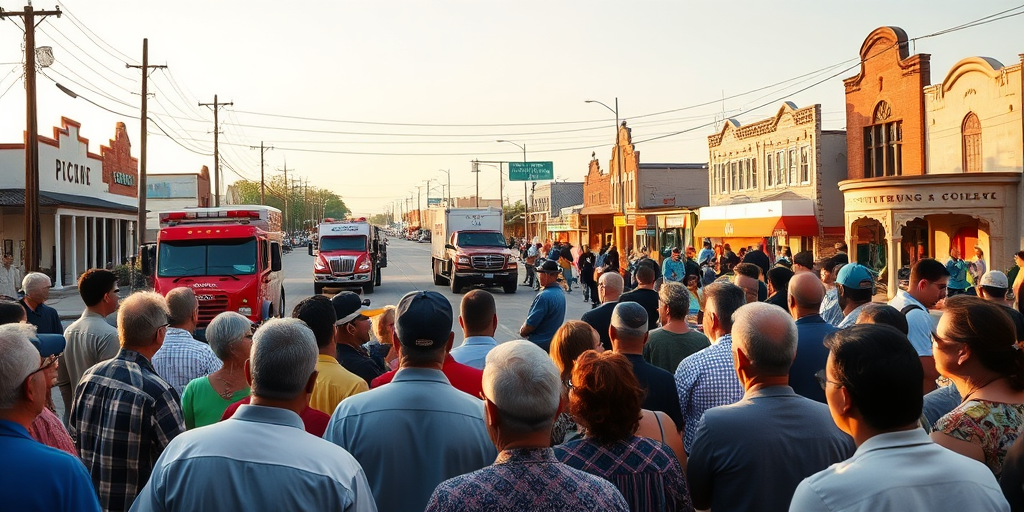
The crash, which occurred when the GMC truck disregarded a stop sign at Schunior Road and collided with the dump truck, resulted in a fuel spill that necessitated the closure of Schunior Road from Closner Road to 9th Street. The spill resulted from damage to the dump truck’s fuel tank, which posed environmental hazards and disrupted local traffic.
City officials were quick to respond, with emergency crews working tirelessly to contain and clean up the spill, thus minimizing risks to both motorists and residents. The driver of the GMC truck was transported to DHR Health with non-life-threatening injuries. The swift actions of the emergency response team helped facilitate a road reopening by Friday afternoon.
“This incident underscores the importance of adherence to traffic signals and the readiness of our emergency services. I commend the team for their swift actions in a potentially hazardous situation,” said Edinburg City Spokesperson, Maria Torres.
Background and Patterns of Road Safety
In South Texas, road safety has been a continuous concern among community members and city officials. The RGV area has witnessed similar accidents in the past, emphasizing the need for heightened awareness and stringent traffic law enforcement. Incidents such as these not only disrupt daily life but also pose larger questions about infrastructure preparedness.
Road safety campaigns have repeatedly stressed the importance of compliance with traffic regulations. However, recurring accidents highlight the necessity for further educational efforts and possibly enhanced traffic control measures at vulnerable intersections.
Jose Alvarez, a local traffic safety advocate, expressed his views: “The frequency of such accidents is alarming. We must enhance our focus on educating drivers about road safety, and local authorities should consider additional signage or signal systems at high-risk spots.”
Broader Implications for the Community
While the immediate effects of the crash have been contained, the broader implications continue to be discussed within the community. Such incidents spotlight the need for continued investment in infrastructure development, a topic actively addressed in the region with other ongoing projects.
The recent $41 million investment in Harlingen for wastewater improvements exemplifies the Valley’s commitment to enhancing infrastructure. Similarly, the new pedestrian bridge in Brownsville represents a progressive step towards safer and more efficient community connectivity.
Moreover, local institutions like UTRGV are making logistical improvements, as evidenced by their new shuttle services and expanded parking options for the Vaqueros football game, showing an active engagement in addressing community transportation needs.
Environmental Considerations and Future Measures
Fuel spills pose significant environmental hazards, raising questions about preparedness and response measures. While the response to the Edinburg crash was commendable, ongoing discussions focus on future preventive strategies to mitigate similar occurrences. Public forums and discussions can facilitate resident involvement in shaping these strategies.
Dr. Teresa Mendoza, an environmental scientist from UTRGV, suggests comprehensive planning to tackle such risks: “While our immediate response was efficient, we must proactively plan for possible future incidents. This includes environmental impact assessments and investing in technology that detects and prevents fuel leaks promptly.”
Looking Ahead: Sustainable Solutions
For a sustainable solution, master planning with a focus on road safety and environmental protection is crucial. Collaborative efforts between city officials, educators, and community members can foster safer driving environments and reduce the likelihood of accidents.
As the RGV continues its trajectory of growth and development, addressing these multifaceted challenges will require the collective effort of all stakeholders involved. Initiatives aiming at road safety education and sustainable infrastructure investments are pivotal for the long-term well-being of Valley residents.
For updates on road safety measures or to participate in community discussions, residents are encouraged to contact the Edinburg City Council. The council has also made resources available for feedback on ongoing and future projects impacting road safety.
In conclusion, while the road has reopened and normalcy is restored, the incident serves as a reminder of the continuous efforts needed to enhance regional infrastructure and ensure public safety in the Rio Grande Valley.