Department of Defense Installs Buoys on the Rio Grande in Cameron County
In a move that has stirred attention and raised questions in Cameron County, the Department of Defense (DoD) has installed buoys along the Rio Grande, marking it as a restricted area. This development comes as part of a broader national defense strategy, aiming to establish a well-defined boundary along the U.S.-Mexico border in South Texas.
Installation and Strategic Implications
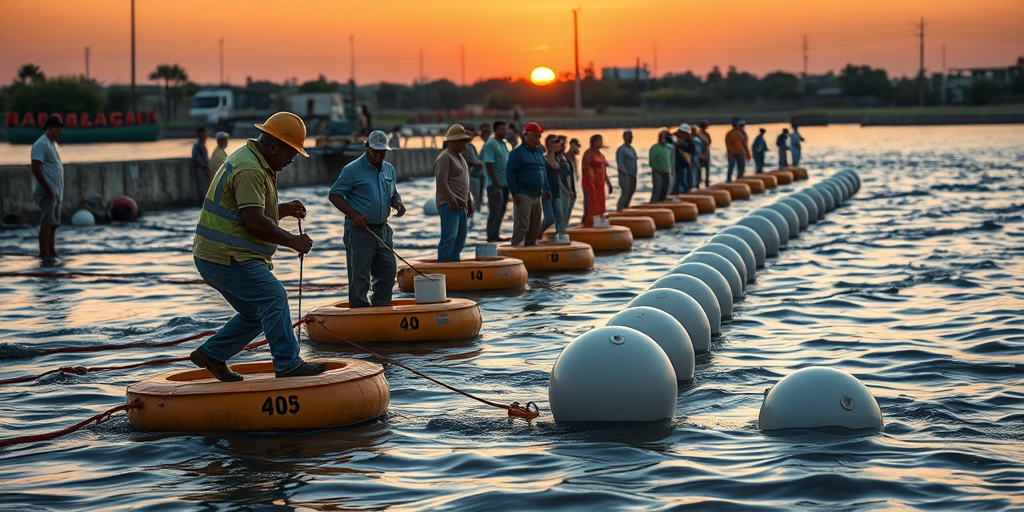
The buoys, placed by Pentagon contractors, are situated at the mouth of the Rio Grande between Playa Bagdad and Boca Chica Beach. They are part of a wider initiative to demarcate the South Texas National Defense Area and to reinforce the controlled perimeter of the region. Each buoy carries signage that emphasizes the prohibition of unauthorized entry into these newly marked territories, signifying the strategic importance placed by national defense authorities on maintaining border security.
Pentagon officials confirmed the installation to Channel 5 News, following National Security Presidential Memorandum-4 guidelines. This directive allows for an area’s operations within a military installation to be enforced similarly to any other federally controlled land, enhancing security protocols.
Reactions from Local Officials
Despite the gravity of these measures, local officials in the Rio Grande Valley express unease due to limited communication from federal authorities. County Judge Eddie Treviño, Jr., a regional leader, noted, “As of our latest interactions, we haven’t received comprehensive details from the Pentagon regarding this development, which leaves us in a state of uncertainty.”
This sentiment of exclusion from crucial discussions resonates with many local officials and community members, urging the need for transparency in activities involving national and local jurisdictions. Bridging this communication gap is essential for community interest and fostering cooperation aligned with the collective goals of the Valley residents.
Local Impact and Historical Context
The installation of buoys is part of a continued pattern of action in the region. Earlier, in October, the Department of Homeland Security announced plans for a 17-mile water barrier near Brownsville, reflecting ongoing operational developments in the RGV news cycle focused on border management. This suggests an escalation in methods to regulate and manage border areas, further impacting local ecosystems and economies.
Local environmental advocacy groups have voiced concerns about the implications these installations may have on the fragile ecosystems that make up the Rio Grande Valley’s natural allure. Additionally, the installations could impact the routine activities of communities reliant on the river for commerce, recreation, and daily living.
Maria Gomez, an environment enthusiast and longtime Valley resident, expressed her apprehension: “The Rio Grande is a vital resource for us here in the Valley. While we understand the need for security, it’s crucial that these actions don’t disrupt the balance with nature or community life.”
Future Implications for the Community
As the buoys remain in place and the strategies surrounding them progress, the RGV community is left to ponder the long-term implications. Considering Cameron County’s history of fluctuating trade and local economies heavily reliant on cross-border exchange, security measures like these could have substantial effects on the local economy and cross-cultural interactions.
There is a growing call for local agencies to engage with federal counterparts to mitigate negative impacts while emphasizing the importance of addressing community concerns. Facilitating public hearings and constituency meetings can foster an informed dialogue, seeking practical solutions that safeguard both national interests and community traditions.
Resources and Community Support
For Valley residents seeking further information or wishing to voice their concerns, local government offices have opened lines of communication and released contact information. They encourage individuals to reach out with inquiries or participate in community forums addressing these recent developments.
Furthermore, resources like the KRGV First Warn 5 Weather app continue to support residents by offering up-to-date notifications and tools for weather and environmental changes, including potential updates related to the river and its surroundings.
To wrap up, the installation of buoys in Cameron County underscores a multifaceted approach toward national security while also highlighting the need for dialogue and cooperation within the Rio Grande Valley community. As these initiatives unfold, staying informed and engaged will be key for residents to navigate the evolving landscape of local and national interactions.