A New Chapter in Cameron County: Understanding the Impact of Curbside Voting Changes
As Texans prepare for the upcoming election season, voters in Cameron County will face changes at the polls stemming from a new state law impacting curbside voting. This legislation introduces new requirements poised to alter how residents of the Rio Grande Valley (RGV) cast their ballots, particularly for those relying on curbside voting due to mobility challenges.
Navigating New Requirements
Central to these changes is a mandate requiring voters opting for curbside voting to sign an oath affirming their inability to enter polling stations. The law stipulates that curbside voters who falsely execute this affidavit may incur perjury charges. Election sites across Cameron County have begun prominently displaying signage that informs constituents about these new stipulations.
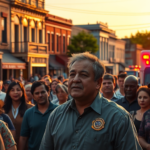
For Remi Garza, Cameron County Elections Administrator, this change represents a transformation with significant ramifications for voter turnout. “We’re concerned that people will be waiting in line to vote curbside and then not feel comfortable executing the affidavit,” Garza noted, “and they might either leave the polling place because they’ve already taken a period of time or they’ll just be discouraged from voting in general and maybe not cast a ballot that day.”
Garza reassured that those providing transportation for curbside voters are not required to sign the same sworn oath. Instead, drivers must complete a document verifying their role in assisting a voter by providing transportation. This nuanced detail reflects the multifaceted nature of the new law, which aims to refine electoral processes while safeguarding against potential misuse.
Local Context: Voter Accessibility in the RGV
The Rio Grande Valley, with its diverse and often underserved population, relies heavily on accessible voting options. The introduction of these new requirements has sparked dialogues around the impact on local voters, particularly among communities where curbside voting has been a crucial means of participation.
A local advocacy group, South Texans for Voter Access, has voiced concerns regarding the law’s implications for voter accessibility. In a written statement, they emphasized, “For many Valley residents, curbside voting is not simply a convenience but a necessity. These new requirements could poses an obstacle to civic participation for those who can ill afford additional hindrances.”
The organization has encouraged state officials to consider supplementary measures to support voters with disabilities, such as increased outreach and education initiatives. Their goal is to ensure that all eligible voters understand the process and feel secure in exercising their right to vote.
Historical Parallels and Future Outlook
This focus on accessibility echoes past efforts within the RGV to make voting more inclusive. For years, local leaders have navigated challenges such as language barriers, transportation limitations, and voter ID laws to support electoral participation in this dynamic region.
Community leaders like Sofia Gutierrez, a longtime resident and voter rights volunteer, underscore the importance of building on these historical foundations. “The Valley has always been about community,” she reflected. “We need to ensure that our voting processes reflect that ethos by prioritizing access and fairness for every resident.”
Looking forward, the implications of these legislative changes may extend beyond this election season. Policymakers and advocates alike acknowledge that a fine balance will be necessary to uphold the integrity and accessibility of Texas’s electoral system in the wake of evolving protocols.
Resources for Voters
As the implementation of these changes progresses, Cameron County officials have organized resources to assist residents throughout the voting process. Voters can access a wealth of information through public information sessions, official websites, and a dedicated voter hotline aimed at resolving questions and clarifying the new requirements.
Early voting initiates on October 20 and continues until October 31, with Election Day on November 4. Stakeholders like Garza emphasize that clear and open communication with the RGV community will be central to the successful adoption of these new practices.
In conclusion, while the introduction of new curbside voting requirements brings challenges, it also presents significant opportunities for reinforcing electoral engagement throughout the RGV. As the community adapts, the steadfast commitment to fostering informed participation remains paramount, ensuring that the Valley’s diverse voices continue to resonate within Texas’s democratic process.