Headline: Brownsville Commissioners Table Decision on LGBTQ+ Task Force Dissolution
The city of Brownsville finds itself at a pivotal moment as city commissioners have temporarily shelved a decision regarding the future of the community’s LGBTQ+ task force. The task force, originally established in 2019 to advocate and promote inclusivity, has been a point of debate among the city’s officials and residents.
The Commissioners’ Decision
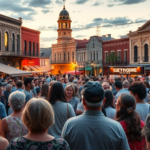
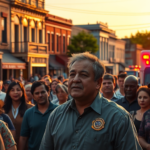
During a meeting on Tuesday, city commissioners decided to table the vote on whether to dissolve the LGBTQ+ task force. This decision came after an executive session followed by public comments where various individuals voiced strong support for maintaining the task force. Initially appointed to foster advocacy, inclusivity, and dialogue within Brownsville, the task force comprises seven members dedicated to ensuring LGBTQ+ representation in municipal affairs.
h2>Community and Task Force Contributions
Since its inception, the task force has played a crucial role in addressing issues faced by LGBTQ+ members in Brownsville and broader South Texas. Advocates of the task force argue it has successfully provided a sense of community and support, helping to alleviate marginalization and foster acceptance among Valley residents. Commissioner Maria Martinez, a proponent of the task force, mentioned, “This group has been a bridge between different parts of our community, allowing us to address concerns we might otherwise overlook.”
The broader impact of the task force’s efforts reflects a growing acceptance and need for diverse voices within civic structures, highlighting the community’s commitment to inclusivity. The decision to table the vote suggests that commissioners may be weighing these positives against claims that the task force has fulfilled its original mandate.
Voices from the Community
During the meeting’s public comment portion, numerous residents took the floor to express their desire to preserve the task force. Local activist and Brownsville resident Javier Santos shared his perspective: “The task force represents more than just policies and meetings; it’s about respect, dignity, and ensuring that everyone in our community has a voice.”
However, not all voices shared the same vision. Several commissioners have suggested that, moving forward, the work of the task force could be absorbed into other city channels. Commissioner Carlos Reyes noted, “While the task force has certainly made strides, we’ve reached a point where its responsibilities might be better managed within our existing city framework.”
Impact on the Rio Grande Valley
The outcome of this decision bears particular significance for the broader Rio Grande Valley, a region known for its cultural diversity and rapidly evolving social fabric. Amidst broader national conversations about LGBTQ+ rights, the continuation of the task force could signal a progressive stance for South Texas communities, aligning local policies with a national trend towards inclusivity.
For local stakeholders, such measures also impact public perception and civic engagement, especially in regions with historical underrepresentation. Community member Rachel Lopez remarked, “Keeping the task force aligns Brownsville with forward-thinking cities that are embracing diversity—it’s an investment in our collective future.”
Potential Future Implications
The implications of either dissolving or maintaining the task force extend beyond immediate advocacy gains. Should the task force be dissolved, there is concern among some Valley residents about the potential regression in LGBTQ+ support systems. Conversely, retaining the task force could encourage deeper engagement from other minority groups and enhance collaborative community planning.
As Brownsville’s commissioners deliberate, the challenge remains to navigate these complex social issues, drawing lessons from past initiatives and ensuring that future community goals are inclusive and visionary.
Call to Action and Resources
In conclusion, while the decision on the task force’s future remains undecided, it stands as a pivotal moment for Brownsville and RGV news, encapsulating themes of local impact, community interest, and representation in South Texas. Residents invested in the outcome are encouraged to engage with commissioners and participate in forthcoming public forums. Those seeking more information or wishing to express their views can contact the Brownsville city office or visit the task force’s community outreach website page.
As the story develops, one certainty prevails: the discourse around the task force serves as a microcosm of broader societal shifts, reflecting Brownsville’s potential to champion inclusivity and act as a model for similar communities across the nation.