Brownsville ISD Faces Setback with Failed $460 Million Bond Proposals
Brownsville Independent School District (BISD) experienced a significant setback on Tuesday, as voters rejected two critical bond proposals totaling $460 million. The funding was intended to upgrade various school campuses across the district. With a majority opposition, the district now faces the challenge of addressing infrastructure needs without the anticipated financial backing.
Rejected Propositions and Voter Outcome
Proposition A, proposed at $385 million, was set to fund renovations for 39 campuses and the construction of a new Career and Technical Education (CTE) center. However, it was rejected by 59% of voters. Proposition B, which sought $75 million for a new performing arts center, saw even greater resistance, with 62% of voters opposing it.
The community’s disapproval of the bond proposals means that there will be no immediate improvements financially supported by these bonds. The propositions would have increased taxes for residents within the district, spanning over a five-year period, which could have contributed to the majority’s dissent.
Superintendent’s Response and Future Plans
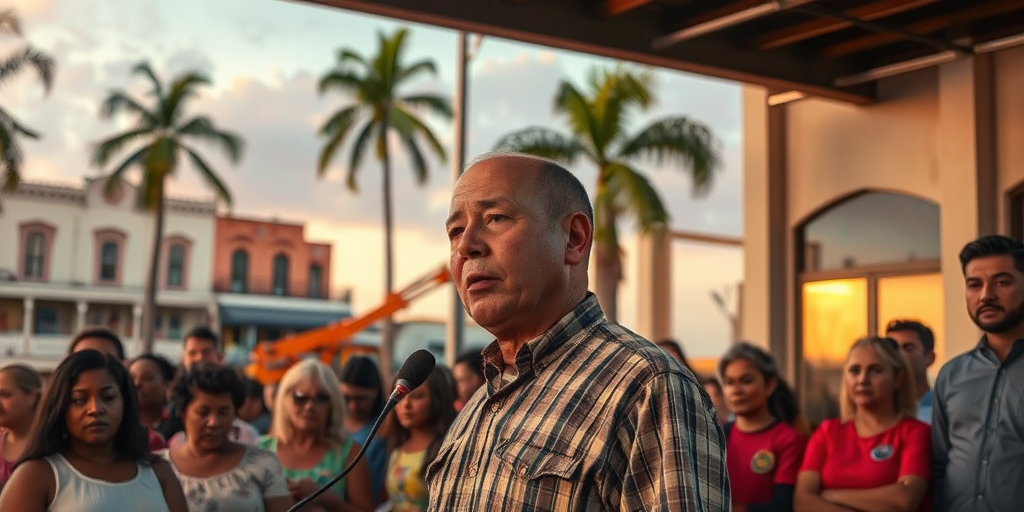
BISD Superintendent Jesus Chavez expressed deep disappointment over the outcomes but reaffirmed the district’s commitment to addressing the schools’ needs. “When the community is ready to prioritize these necessary repairs and upgrades, we hope they will come to us and say what needs to be done,” Chavez stated during a press briefing.
Highlighting the urgent needs that remain unmet, Chavez expressed concern about the district’s capacity to maintain essential infrastructure such as HVAC systems, roofs, and windows without the bond funding: “What we will not have is good roofs, we will not have good window situations for our students, we will not have good air conditioning for our students.”
Chavez confirmed that the district currently has no plans to reintroduce these proposals anytime soon, emphasizing that any future considerations would require renewed community interest and support.
Impacts on the Rio Grande Valley Community
The failure of these bonds represents a broader issue for the RGV community, as maintaining and enhancing educational facilities is vital for student success. For South Texas, and specifically Brownsville, the refusal to endorse infrastructure improvements may complicate efforts to provide competitive educational environments. Without these enhancements, schools may struggle with outdated facilities, impacting both student engagement and academic performance.
Additionally, the decision reflects ongoing challenges, notably balancing fiscal responsibility against educational development. While many Valley residents appreciate the tax implications, the district’s inability to upgrade may have long-term costs in terms of educational standards and student opportunities.
Connections with Local History and Issues
This recent event is part of an ongoing discourse in the Valley about educational funding and resource allocation. Similar propositions in the past have faced hurdles as voters weigh immediate financial impacts against future educational benefits. The community’s decision echoes a historical pattern of careful scrutiny when it comes to educational spending in South Texas.
Local economic trends and budget constraints further complicate these discussions. Past instances where infrastructure investments have fallen short in the region highlight the importance of clear communication and planning between district administration and the community it serves.
Looking Ahead: Potential Future Implications
The rejection of these substantial funds calls into question how BISD will prioritize and manage necessary maintenance and improvement projects. The district may need to explore alternative funding strategies, such as grants, public-private partnerships, or scaled-down projects.
Brownsville Chamber of Commerce representative Laura Martinez suggests focusing on smaller, more targeted campaigns that address immediate needs while fostering community engagement. “Gaining community buy-in through smaller, visible successes may pave the way for greater trust and support of larger initiatives in the future,” said Martinez.
Balanced reporting also includes residents’ hesitations about increased taxes and the careful distribution of public funds. For taxpayers, the prospect of financial lifts for infrastructure, without immediate visible benefits, can lead to caution or outright opposition.
Local Resources and Community Engagement
In light of the failed propositions, BISD plans to open dialogues with the community to better understand concerns and reconsider priorities. Community members seeking further information or engagement opportunities are encouraged to contact BISD’s administrative office or visit their website for updates on future plans and public meetings.
As the district reassesses its strategies, the outcome serves as a reminder of the complexities involved in advancing educational infrastructures amidst varying perspectives and financial realities.
The next steps hinge on cooperative efforts involving district leaders, community stakeholders, and residents dedicated to education advancement. The path forward for BISD relies on nurturing trust and collaboration to ultimately serve the educational needs of the Valley’s next generations.