‘It’s Not Looking Good:’ Brownsville Mom Struggling to Feed Her Children Amid Government Shutdown
Elyse Herrera, a single mother from Brownsville, stands at a critical crossroads. As the government shutdown stalls the dispersal of essential federal support, particularly SNAP benefits, Herrera’s ability to provide for her four children is strained like never before. With each meal meticulously planned, her household reflects the harsh reality faced by many across the Rio Grande Valley (RGV), highlighting the significant local impact of national policy and turning community interest toward urgent support.
A Struggle to Provide
“For the first time, I’m worried they’ll go to bed hungry,” Herrera admits, casting a wary eye over her pantry, now significantly emptier. As the federal government remains in gridlock, with Senate meetings led by Senate Majority Leader John Thune seeing little progress, the tangible effects ripple through communities dependent on federal aid. Her concern is shared by countless others in South Texas who rely on government assistance.
Herrera’s plight is emblematic of a broader struggle unfolding in the community. A student and part-time worker, she has always relied on SNAP (Supplemental Nutrition Assistance Program) benefits to fill the financial gaps for her family’s needs. With these benefits now on hold, the looming holiday season prompts difficult sacrifices and choices. “I’m not even considering gifts this year—just rent, lights, and food,” she explains, emphasizing the prevailing sense of uncertainty.
Community Resilience and Support
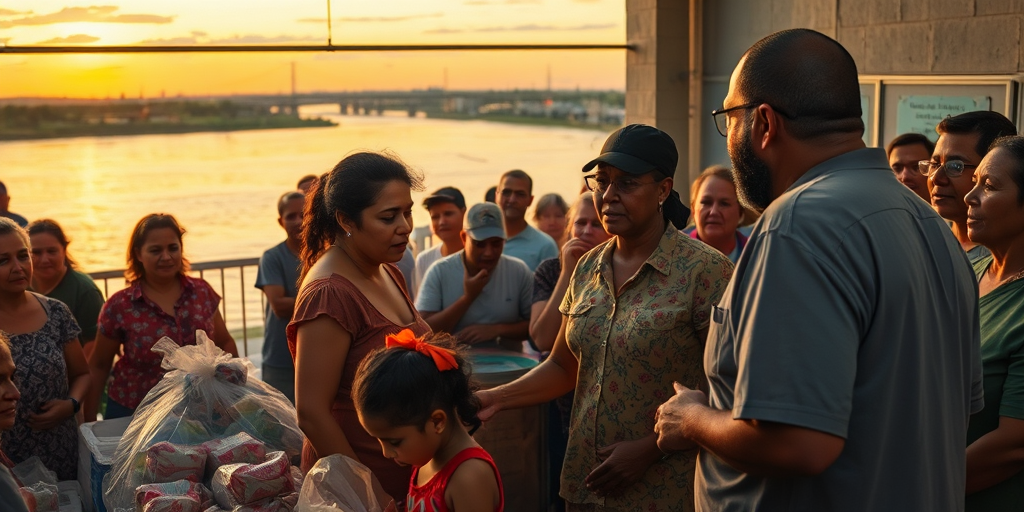
Amid the challenges, the resilience and resourcefulness of Valley residents shine through. Across Cameron County and neighboring Hidalgo and Willacy Counties, community centers, churches, and local governments have rallied to offer immediate relief. Efforts include distributing hot meals and grocery packages to impacted families. Cities like San Benito, Harlingen, and McAllen are extending a helping hand with organized food distributions and support networks.
“We understand the urgency and are doing everything in our power to assist those in need,” affirmed Cynthia Jimenez, a representative from the Brownsville Community Center. By partnering with food banks and local charities, these initiatives aim to bridge gaps while government aid remains stalled.
Historical Context and Persistent Issues
The RGV has historically faced hurdles related to economic disparity and food insecurity. Communities here are no strangers to the vagaries of federal policies and how they trickle down to impact local lives. The current situation not only reignites past challenges but also underscores the systemic issues yet to be fully addressed.
Past events, such as previous government shutdowns and economic downturns, have tested these communities’ resilience. However, the unfolding scenario also presents an opportunity for stronger advocacy and reform from local leaders in ensuring that such interruptions do not disproportionately impact the most vulnerable.
Future Implications for the Valley
If the government shutdown persists, the implications for the Valley are serious. Local businesses relying on consumer spending may feel the pinch as families like Herrera’s tighten their belts. The ripple effect could strain local economies in areas already vulnerable to broader economic tides.
Counterbalancing these challenges, the collective response of Valley residents might forge stronger community bonds and a more robust safety net. By shedding light on these local stories, regional leaders might seek long-term solutions to safeguard the food security and economic stability of Valley residents.
Local Resources for Residents
To support families during this prolonged period of uncertainty, here are resources available in various locations throughout Cameron, Hidalgo, and Willacy Counties:
Cameron County:
– **Brownsville**: Hot meals are available at the Brownsville Senior Center, Tony Gonzalez Park, and Downtown Recreational Center, all open Monday through Friday from 11 a.m. to 2 p.m.
– **San Benito**: The San Benito Food Pantry, on West Adele St., offers assistance open every Wednesday and Friday mornings.
– **Harlingen**: Residents can access food distribution at St. Anthony’s and The Salvation Army among several others.
Hidalgo County:
– **McAllen**: The Salvation Army on North 23rd St. serves residents weekdays with essential support.
– **Pharr**: The Pharr Resource Center provides daily help for those with identification.
Willacy County:
– **Raymondville**: Loaves & Fishes continues its food assistance programs daily.
As the Rio Grande Valley navigates this challenging time, stories like Elyse Herrera’s serve as a potent reminder of the community’s resilience and the pressing need for systemic policy changes. The situation may appear dire, but through collective effort and renewed legislative action, the region holds on to hope for a more stable future.