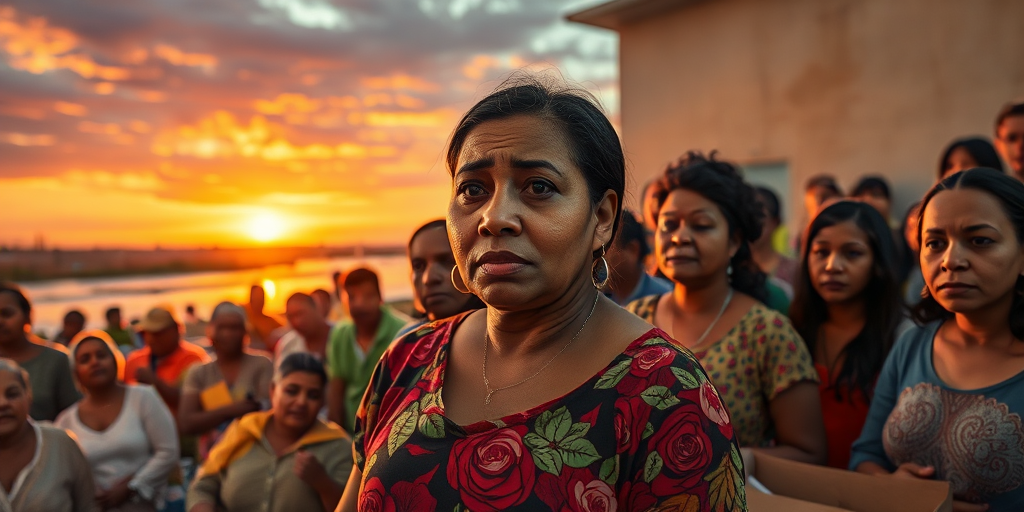
‘It’s Not Looking Good:’ Brownsville Mom Struggling to Feed Her Children Amid Government Shutdown
The government shutdown has had a debilitating impact on communities across the United States, and South Texas has not been spared. In the Rio Grande Valley, thousands of families are facing challenges as federal benefits, including Supplemental Nutrition Assistance Program (SNAP) disbursements, have come to a halt. Elyse Herrera, a single mother of four from Brownsville, is just one of many Valley residents feeling the pressure.
Every meal at Elyse Herrera’s kitchen table in Brownsville is a carefully orchestrated affair. The ongoing government shutdown has caused her SNAP benefits to stall, placing immense strain on her ability to feed her family. “It’s the fear of failing as a mom and them going without,” Herrera confided, as she spoke of her determination to prevent her children from going to sleep hungry.
An Economic Strain on the Valley
The shutdown’s effect on SNAP benefits affects about 42 million Americans, including many in South Texas. It is in the midst of this financial uncertainty that community leaders and organizations in Rio Grande Valley (RGV) are stepping up, providing essential relief through hot meals and food distributions to ease the impact on families like Herrera’s.
“The city of Brownsville is doing everything it can to ensure our residents have access to basic necessities,” said Mayor Daniel Treviño. “It’s not just about providing food; it’s about preserving dignity and stability for our community members during difficult times.”
In Cameron County, efforts are concentrated in several cities, including Brownsville, San Benito, and Harlingen, where local governments and non-profits are working vigorously to bridge the gap left by the shutdown.
Support Across the Valley
Community initiatives have been implemented across the RGV to mitigate the impact of halted SNAP benefits. In Brownsville, hot meals are distributed at various city locations, such as the Brownsville Senior Center and Tony Gonzalez Park, catering to residents with proper identification. For students, the Parks and Recreation Department After School Program ensures they have meals available.
San Benito’s Food Pantry and Harlingen’s network of food resources, including St. Anthony’s Food Distribution and the Salvation Army, also provide vital support. These services rely on the commitment of volunteers and local donations to meet the community’s needs.
Reverend Peter Martinez of Saint Joseph Church in San Benito emphasized community resilience. “During times of crisis, it is our collective responsibility to come together and support one another. The strength of the Valley lies in our capacity to lift each other up.”
Connecting Past to Present Challenges
Food insecurity is not a new issue in the RGV, but the magnitude of current challenges has intensified concerns that have simmered over past economic downturns. The current situation echoes widely shared sentiments about the community’s vulnerability amidst federal policy shifts and economic pressures.
Efforts by local officials and activists to combat food insecurity date back years. Previous campaigns focusing on long-term solutions were oriented toward incorporating local agricultural productions into sustainable food programs, a strategy Mayor Treviño says should receive renewed attention.
A Call for Long-Term Action
As Valley residents weather the ongoing storm, concerns about the longevity and effectiveness of temporary measures persist. The shutdown’s prolonged nature invites calls for more permanent, systemic solutions. Dr. Maria Ledesma, a policy analyst for Texas Community Change, asserts, “While immediate relief is essential, this situation highlights the need for structural change in how we support our low-income community members.”
Herrera, maintaining hope despite the challenges, is grateful for the current support she receives but remains aware of the uncertain future. “I believe that there’s always going to be light at the end of the tunnel,” she expressed, emphasizing the importance of looking beyond immediate challenges to brighter days.
Future Implications for the RGV
As the shutdown continues, the RGV community is reminded of the importance of advocacy and policy reform to protect vulnerable populations from similar crises in the future. Local, state, and federal policymakers are being urged to craft legislation that safeguards against abrupt disruptions in critical assistance programs.
For now, resources in Cameron, Hidalgo, and Willacy Counties offer a lifeline to residents like Herrera. More information about food distributions and additional community support can be found on local government websites and through public service announcements.
The situation underscores the need for a sustained, collaborative community effort and policy reform that ensures RGV residents are better protected from the fallout of political impasses. This ongoing narrative highlights both the challenges and the resilient spirit of Valley residents, who find new ways to unite and thrive amidst adversity.
### Resource Contacts for the RGV Community:
**Cameron County:**
– **Brownsville Senior Center:** 519 E. Madison St., 11 a.m. – 2 p.m., Monday – Friday.
– **San Benito Food Pantry:** 195 West Adele St., Wednesdays, 8 a.m. – 11:45 a.m., Fridays, 11 a.m. – noon.
– **Harlingen Neighborhood Pantry:** 801 E Harrison Ave., Wednesdays, 8 a.m. – 10 a.m.
**Hidalgo County:**
– **The Salvation Army, McAllen:** 1600 N. 23rd St., Monday – Friday.
**Willacy County:**
– **Loaves & Fishes, Raymondville:** 688 West Kimball St., Monday – Friday, 4 p.m. – 5 p.m.
Through these developments, RGV residents are once again reminded of the community’s enduring spirit and the continued importance of working together to meet both immediate needs and advocate for systemic change.