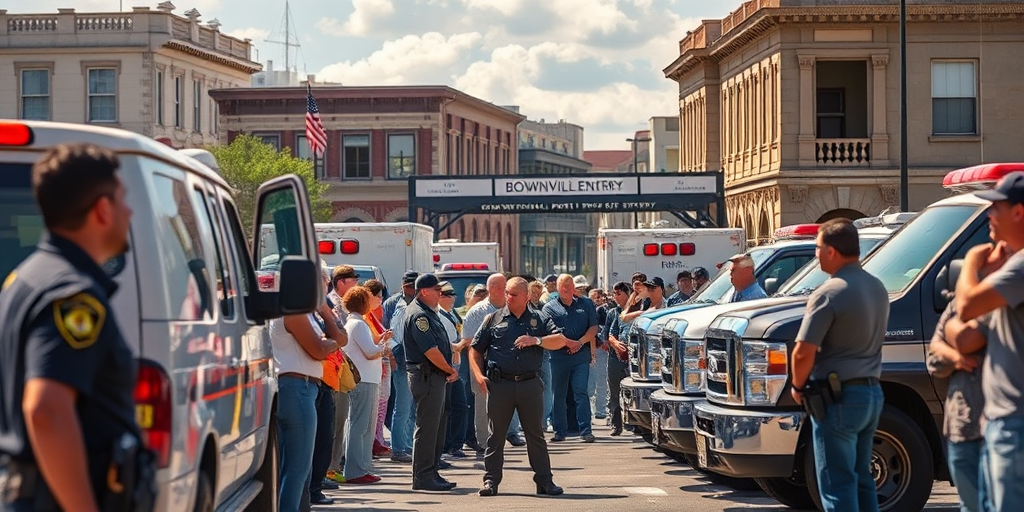
Brownsville CBP Officers Seize $71K in Unreported U.S. Currency
In a significant enforcement action aimed at upholding federal regulations, U.S. Customs and Border Protection (CBP) officers at the Brownsville Port of Entry have seized approximately $71,000 in unreported U.S. currency. This incident, which occurred at the Gateway International Bridge, underscores the ongoing efforts of CBP officers to ensure compliance with financial reporting laws, a critical issue that impacts both the security and economic stability of the Rio Grande Valley.
Details of the Seizure
The currency seizure took place on November 22 when a 2026 Kia was selected for a routine outbound vehicle inspection. Utilizing nonintrusive inspection technology, officers at the Gateway International Bridge found the undeclared cash concealed inside the vehicle. The discovery of this unreported currency is part of the broader CBP strategy to target the illegal export of monetary instruments across U.S. borders. “CBP officers continue working diligently, and their persistent efforts led to this seizure of unreported bulk currency,” noted Port Director Tater Ortiz, reinforcing the message of vigilance and commitment for those working at the border.
The implicated vehicle and cash have been taken into custody while Homeland Security Investigations agents carry out a detailed investigation into the origins and intended use of the money. The incident highlights the critical role that CBP officers play not just in border security but in the broader enforcement of financial laws designed to combat illicit activities.
Impact on the Rio Grande Valley
For the residents of South Texas, specifically the Rio Grande Valley, the enforcement of such measures is of keen interest. The region, known for its vibrant economic landscape and community interest, relies heavily on secure and lawful cross-border transactions. According to local economist and expert on border issues, Dr. Jaime Martinez, “Actions like these are essential in maintaining a robust and lawful commerce environment which is vital for the local impact and stability of our businesses.” The assurance that border regulations are being strictly enforced helps build trust and security for the Valley’s commerce-dependent economy.
Broader Implications
While this incident has immediate implications for border security and financial law enforcement, it also points toward a broader narrative affecting the U.S.-Mexico border. The rigorous enforcement of cash reporting requirements serves as a deterrent to those who might exploit cross-border trade routes to funnel money in support of illegal activities. Notably, the law does not prohibit the carrying of cash above $10,000, but mandates that such sums be declared to customs officers, a measure designed to combat money laundering and other financial crimes.
Receiving a backlash from some quarters, it remains a balancing act for law enforcement to uphold these regulations while ensuring that legitimate trade and travel are not unnecessarily impeded. Community advocates and local officials continue to emphasize the importance of community engagement in discussions about border security practices to ensure that stakeholders’ views are considered in policymaking.
Connections to Previous Events
This is not the first time that officers at the Brownsville Port of Entry have seized large sums of unreported currency. Similar cases have occurred at various points along the Texas border, cementing the state’s position as a critical ‘frontline’ zone in the battle against illegal financial transactions. Previous seizures have led to heightened cooperation between local law enforcement agencies and federal bodies, fostering a network of shared resources and intelligence to preempt similar activities.
The Path Forward
Looking to the future, CBP officials and local community leaders are focused on bolstering outreach programs that educate travelers about currency declaration requirements upon entering or leaving the United States. A comprehensive understanding of these laws can significantly aid in lowering incidences of noncompliance and streamlining legitimate cross-border economic activities. Successful education and enforcement can lead to a more secure border and a thriving Rio Grande Valley community.
For those interested in learning about legal requirements and procedures when traveling across U.S. borders with significant sums of money, the CBP provides ample resources and contact information on their official website. Valley residents can also participate in community seminars organized by local government bodies, aimed at promoting awareness about border rules and personal compliance.
In conclusion, while the seizure of $71,000 in unreported U.S. currency represents just one incident, it provides valuable insights into the critical role of border enforcement in safeguarding regional economic security. As the Rio Grande Valley continues to navigate its unique position on the U.S-Mexico border, such actions by CBP officers help to ensure that local communities can prosper within a legal and safe environment.
For further inquiries regarding this incident or customs regulations, residents can contact the CBP office or visit the Texas Border Business website, where ongoing updates and relevant local resources are consistently featured.