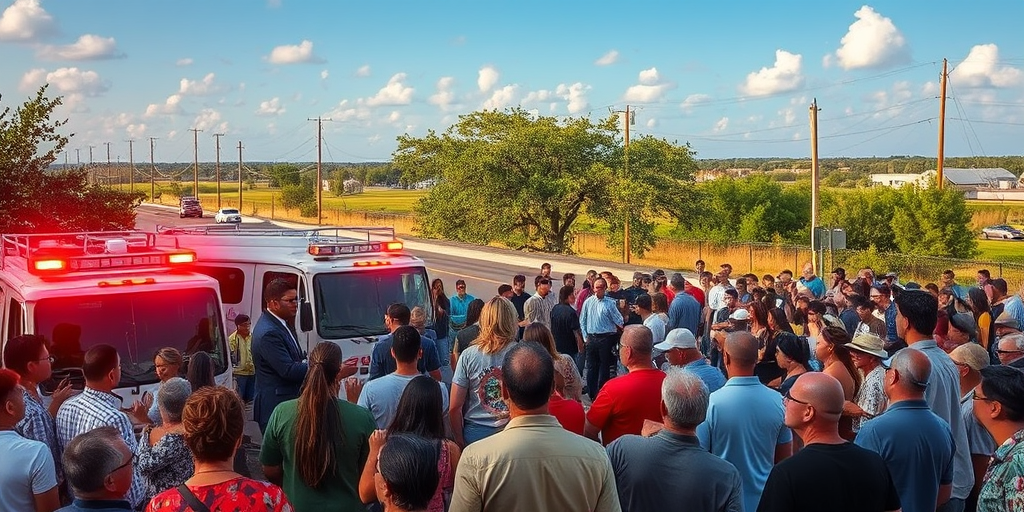
As the Rio Grande Valley navigates the myriad challenges and opportunities that come with its dynamic growth, a new issue has surfaced that calls for urgent attention: the Harlingen Waterworks System and Military Highway Water Supply Corporation have issued a boil water notice, impacting a large portion of South Texas. This unexpected development has significant implications for the affected areas, particularly several schools within the San Benito Consolidated Independent School District.
Understanding the Water Issue
On a routine Monday, Harlingen Waterworks System employees identified an unusual cloudiness in the water supply at the Harlingen Downtown Water Plant, exceeding safe levels. Upon further investigation, it was determined that sedimentation from one of the clear wells was disturbed and inadvertently entered the distribution system. Although the plant was promptly taken offline, precautionary measures necessitated issuing a boil water notice to residents.
Mario A. Gonzalez, Director of Water Services, remarked, “While we believe only minimal amounts of sediment were released, we are exercising caution to ensure the health and safety of our community. The boil water notice is a preventative step.”
Residents were advised to boil their water for two minutes before consumption or to use bottled water to mitigate any potential health risks. Notably, the Military Highway Water Supply Corporation, which derives its water from the Harlingen system, also disseminated similar advisories.
Local Impact on Residents and Schools
The issued notice is not just an inconvenience but a substantive health and logistical concern, particularly affecting schools within the San Benito CISD. The schools directly influenced by this notice include Rangerville Elementary School, Judge Oscar De La Fuente Elementary, La Encantada Elementary, La Paloma Elementary, Angela G. Leal Elementary, and Riverside Middle School.
Despite these hurdles, the school district has ensured that education will proceed uninterrupted. As part of the contingency plan, bottled water is made readily available for all students and staff, and the Child Nutrition Program has adapted its operations to maintain appropriate food safety standards.
“Safety is our utmost priority,” said Dr. Nina Longoria, Superintendent of San Benito CISD. “We’ve taken all necessary actions to guarantee that our students remain safe and hydrated while continuing their learning journey.”
Broader Implications and Community Response
For Valley residents, this event underscores a need to maintain and modernize local infrastructure constantly. Instances of water contamination can disrupt daily routines, strain resources, and challenge community resilience.
Local voices express varying degrees of concern mixed with understanding. Long-time San Benito resident Lucia Gomez expressed unease but also appreciation for the transparency and swiftness of the response. “It’s unsettling whenever there are issues with something as vital as water. However, I’m grateful for the promptness of our response teams in addressing it.”
Advanced warning systems and robust infrastructure are key to avoiding similar incidents in the future. The community must also support initiatives for infrastructure evaluation and enhancement, ensuring the longevity and reliability of essential services.
Looking Ahead: A Call for Community Action
With water contamination events sporadically affecting various parts of the country, this boil water notice could act as a call to action for regional improvements. Experts suggest instituting routine checks and renovating outdated systems to prevent sediment or contaminant infiltration.
Harlingen Waterworks System is committed to restoring standard operations and will disseminate an official notice when the water is declared safe for regular use. In the interim, continued community adherence to the boil water protocol is vital.
For those with further inquiries regarding the notice, or seeking guidance, Water Services Director Mario A. Gonzalez is available at 956-564-0450, providing a direct line of communication for the community.
As the Rio Grande Valley contends with these challenges, this episode typifies both the strength and the vulnerabilities intrinsic to rapidly expanding regions. Through informed responses, collaboration, and proactive treatment of infrastructure, the RGV can emerge more robust and prepared for the future.
In summary, while the current water situation brings to light immediate regional challenges, it also highlights the resilience and tenacity of Valley residents and officials. United in addressing this concerning issue, the community stands poised to overcome and grow from these experiences.