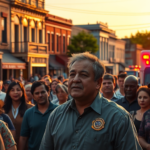
Judge to Rule on McAllen Commissioner’s Custody in Smuggling Allegations
The federal courthouse was abuzz with anticipation as a judge deliberated over whether McAllen City Commissioner Rodolfo Castillo would remain in custody or be released on bond amid serious smuggling allegations. The decision comes after heated debate, following an appeal from federal prosecutors who deemed Castillo and his wife, Bertha, as flight risks due to substantial assets and connections across the border.
Key Developments
Rodolfo and Bertha Castillo face accusations of leveraging their used clothing business as a facade for smuggling operations. Initially granted bond on October 3, the couple’s release was contingent on posting significant cash sums—$100,000 for Rodolfo and $75,000 for Bertha. However, a subsequent appeal by prosecutors emphasized the danger of flight, causing renewed scrutiny into their release conditions.
Inside the Courtroom
During the appeal hearing, the prosecution presented damning evidence, including Rodolfo’s statements to federal agents suggesting potential flight to Mexico if circumstances worsened. Furthermore, revelations of extensive Mexican contacts and the discovery of over $176,000 in cash between their home and business added to the perception of risk. Such connections, according to the prosecution, position the Castillos advantageously for relocation outside the jurisdiction of U.S. law.
On the flip side, the defense argued that merely possessing foreign contacts and cash doesn’t equate to guilt or intent to flee, advocating for the standard presumption of innocence. Defense attorneys highlighted the absence of direct evidence linking the funds to illicit activities and emphasized the family’s desire to address accusations openly.
Impact on the Community
The allegations against Commissioner Castillo have sent ripples through McAllen and the broader Rio Grande Valley community. As someone elected to serve Valley residents, these accusations carry implications for trust in local governance and the reputation of public officials. Resident Maria Gonzalez expressed concern during a community forum, stating, “When you hear such allegations about those in power, it shakes your belief in whom to trust for our city’s well-being.”
Such sentiments underscore the ongoing struggle in the Valley to balance local governance integrity with economic challenges and border-related complexities. The Castillos’ case brings attention to issues residents often worry about—corruption and misuse of power that can impede community progress.
A Pattern of Challenges
This is not the first time the Rio Grande Valley has witnessed turmoil involving public figures. Previous incidents where officials faced charges of corruption or misconduct have contributed to a climate of skepticism. In recent years, heightened scrutiny on border-adjacent communities has resulted in stricter surveillance and enforcement strategies, seen by some as necessary while perceived by others as unfairly targeting.
Potential Ramifications
The court’s decision regarding Rodolfo Castillo’s custody will likely have lasting implications. Beyond legal repercussions, a ruling against the commissioner’s favor could prompt calls for stricter regulatory measures on public officials and more rigorous background scrutiny for those seeking elected positions. Conversely, if granted release, there may be renewed discussions on how bond assessments balance individual rights against public safety considerations.
Attorney John Ramirez, specializing in criminal defense within South Texas, commented, “The case serves as a catalyst for necessary discussions on systemic reform and accountability in our public institutions.”
Next Steps
As the community awaits the judge’s decision, Valley residents are encouraged to stay informed and actively participate in democratic processes, ensuring that elected leaders remain adaptable and transparent about their dealings. Access to information and education on civic involvement are crucial elements moving forward to preserve trust in the region’s political framework.
For locals wishing to express concerns or learn more, the RGV Civic Action Network offers resources and workshops aimed at fostering informed citizenry and reinforcing the community’s role within its political landscape.
Conclusion
The situation with McAllen’s Commissioner Castillo embodies ongoing challenges within the Rio Grande Valley—a unique intersection of opportunity, cultural richness, and complex socio-political dynamics. As the judicial process unfolds, it underscores the essential balance between due process and assuring community confidence in leadership, while advocating for continued dialogue among RGV residents for future resilience.