Rep. Terry Canales Highlights Education, Taxes, Water, and Medicaid Expansion at McAllen Luncheon
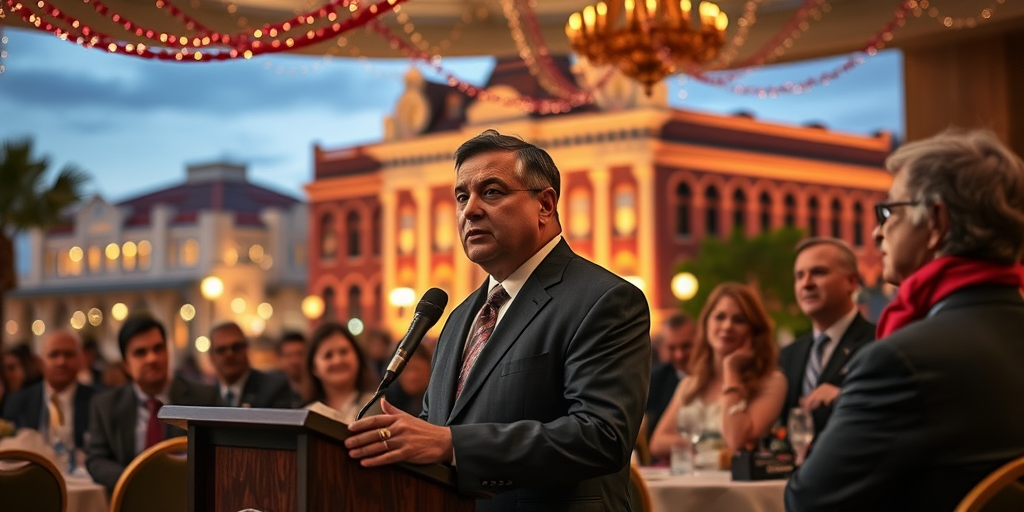
Amid the bustling atmosphere of the Embassy Suites Convention Center in McAllen, Texas, on October 3, 2025, Rep. Terry Canales (D–District 40) shared vital legislative developments that could notably impact the Rio Grande Valley (RGV). At the annual McAllen Legislative Wrap-Up Luncheon, hosted by the McAllen Chamber of Commerce and the McAllen Economic Development Corporation, Canales focused on pivotal concerns affecting local residents: education funding, property tax reform, water security, and healthcare expansion.
Advocating for Increased Education Funding
One of the luncheon’s highlights was Canales’ emphasis on the latest $8.5 billion allocation for Texas education. Describing it as historic, he stressed the need for these funds to translate into direct benefits such as teacher pay raises. “Schools in our district are expected to receive upwards of $170 million in additional funding. This is an indicative effort, but still insufficient,” Canales observed.
He pointed out a significant shortfall in the state’s approach to funding education, expressing concern over the reliance on local taxpayers. “In the past, the state funded about 70% of education. With reductions over time, our property taxes have climbed,” he explained, urging continuous state investments to ease taxpayer burdens.
Property Tax Reforms: What to Expect
The forthcoming November property tax votes caught the attention of many Valley residents. Canales detailed proposed changes, such as increased homestead exemptions for veterans and those with disabilities. These modifications could mean nearly $200,000 in tax exemptions for eligible homeowners.
Though these reforms provide families with needed relief, Canales urged ongoing dialogues about broader educational funding models. “The structural issues remain,” he noted, indicating that while these steps are beneficial, deeper systemic improvements are needed.
Ensuring Water Security in the Valley
Water security, a recurring concern for Valley residents, took center stage as Canales highlighted the urgent need for long-term solutions. With current reservoir capacities hinging precariously on erratic weather, Canales pressed for investment in sustainable alternatives like desalinating brackish groundwater.
“We rely on extreme weather, which is essentially luck, for our water. This capacity only affords us a two-year supply,” he criticized. Canales applauded McAllen’s initiatives, including regional partnerships aimed at reinforcing water supplies, asserting that without water security, attracting industry and ensuring daily life in the Valley would be impossible.
Medicaid Expansion: A Missed Opportunity
Turning to healthcare, Canales admonished Texas’ continued refusal to expand Medicaid, a stance costing the state billions in potential federal funding. “Healthcare shouldn’t be a luxury. It should be a right,” he declared. Texas’ high uninsured rates were a testament to the consequences of non-expansion, hindering community health and economic strength.
Healthy communities were labeled as essential catalysts for a thriving economy. “If our people are not healthy, they’re not working, and without work, we fail to generate revenue.”
Enhancing Financial Literacy for Youth
In the realm of education reform, Canales proposed integrating financial literacy courses into high school curricula. By preparing students to navigate the financial world early, he anticipated long-term improvements in personal wealth management and responsible credit use.
“Financial literacy is vital for our youth’s future stability,” he asserted, underscoring the importance of comprehending financial constructs like credit scores and budgeting.
Implications for the RGV Community
Overall, Canales painted education, taxation, water, and healthcare as interwoven issues central to the RGV’s progression. “These are more than topics of discussion; they are interconnected factors that shape our future,” he summarized, urging concerted efforts to foster fairness and opportunity within the community.
These legislative developments coincide with ongoing events and priorities voiced by other local figures, reinforcing a cohesive strategy focused on foundational improvements. Valley residents have seen a renewed governmental commitment, with figures like Sen. Chuy Hinojosa and Rep. Sergio Muñoz Jr. echoing similar themes at the McAllen venue.
Looking Ahead: Remaining Challenges and Community Engagement
As these initiatives unfold, stakeholders have raised a critical need for transparency and active community collaboration. Analysts and economists urge careful budgetary management to avoid compromising essential services, emphasizing that while optimism is warranted, practical considerations must temper advancements.
To engage residents, the McAllen Chamber and corresponding bodies plan informative sessions and open forums. These platforms will guide local citizens through upcoming changes and their implications, ensuring informed participation and feedback.
By addressing Valley-specific challenges through robust legislative action, the region aims to capitalize on its development potential. As this journey progresses, the enduring spirit of local leaders, including Canales, continues to inspire a relentless drive toward a brighter future for the Rio Grande Valley.
For further information on how these changes may affect you, local residents can contact their county representatives or the McAllen Chamber of Commerce.