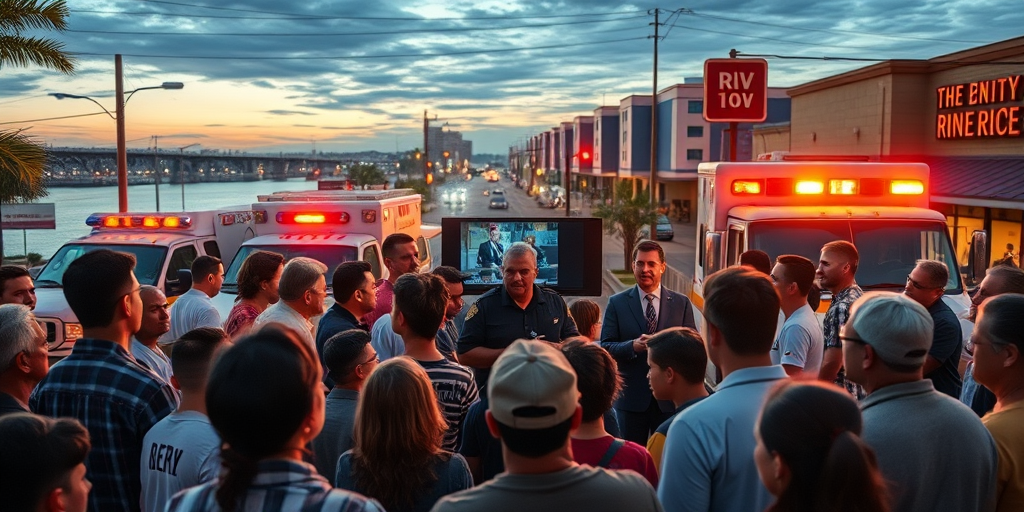
Shorter Days Bring Deadly Risks for Walkers in Texas
In the heart of the Rio Grande Valley (RGV), where thriving communities and bustling roadways intersect, an alarming trend shadows the landscape as autumn sets in—shorter days usher in increased dangers for pedestrians. With October marking the deadliest month for pedestrian fatalities, local efforts intensify to bolster safety measures, driven by distressing statistics and heartfelt voices within the community.
Pedestrian Fatalities Cast a Long Shadow in the RGV
The Pharr District, a vivid microcosm of South Texas, reported a staggering 222 traffic crashes involving pedestrians in 2024, resulting in 27 fatal casualties and 47 serious injuries. As dusk falls earlier, the specter of tragic accidents looms large, demanding a concerted focus on pedestrian safety. These statistics, underscored by the Texas Department of Transportation’s (TxDOT) urgent call for caution, illuminate an urgent crisis affecting Valley residents.
“Each statistic represents a life irrevocably changed,” stated Carmen Vasquez, a local community organizer advocating for pedestrian safety. “We can’t ignore the profound impact these incidents have on families and neighborhoods across the Valley.”
Community Response: Heightened Awareness and Initiatives
In response to the mounting concerns, TxDOT has intensified its “Drive like a Texan” campaign to cultivate both driver vigilance and pedestrian caution. As part of their initiatives, TxDOT promotes “Be Safe. Drive Smart.” to instill safer practices. The campaign delivers straightforward advice: drivers are urged to remain vigilant, yield to pedestrians, and adhere to speed limits, while pedestrians are advised to enhance visibility and comply with traffic signals.
Commenting on the campaign’s importance, TxDOT Executive Director Marc Williams noted, “This time of year, Texans may be more inclined to get outside to enjoy the cooler weather, but fewer daylight hours can create darker, riskier conditions. We can all do our part to help keep each other safe by taking precautions whether you’re driving down the road or walking in your neighborhood.”
Local Impact and Historical Context
For the RGV, the current safety initiatives echo a history of efforts aimed at mitigating pedestrian risks, yet highlight ongoing challenges exacerbated by the unique regional dynamics. In densely populated areas like Hidalgo and Cameron counties, where local culture and community bonds are deeply entwined with day-to-day mobility, these issues take on a particularly pressing resonance.
Moreover, local advocacy efforts draw inspiration from previous community-led forums and safety workshops that have advocated for changes in road infrastructure and traffic regulations. These endeavors, championed by figures such as Commissioner Eduardo Ramos of Hidalgo County, aim not only to safeguard individual safety but to reinforce a collective commitment to RGV’s vibrant communities.
“Every crossing in the Valley should be a safe place, reflecting our shared values and vigilance,” Commissioner Ramos expressed, reinforcing the message that pedestrian safety is a community-wide responsibility.
Future Implications and Broader Lessons
Looking forward, the emphasis on pedestrian safety may inspire broader policy shifts and infrastructural investments. From enhancing street lighting and signage to redesigning critical roadways, future measures will likely be influenced by ongoing collaborations between municipal governments and local organizations. Such alliances promise to cultivate a safer, more inclusive environment, while also setting potential precepts for similar regions across South Texas and beyond.
However, the scope of these adaptations must contemplate the Valley’s socio-economic diversity. Effective solutions will need to engage community voices and ensure that infrastructure improvements do not disproportionately affect disadvantaged neighborhoods.
Additionally, empowering the community through education and awareness campaigns remains a pivotal tool. TxDOT’s deployment of street teams and digital messaging exemplifies the proactive engagement necessary to sustain vigilance and foster behavioral changes among Valley residents.
Resources for RGV Residents
As the RGV community navigates these challenges, a variety of resources are available to assist residents in understanding and adapting to new safety measures. TxDOT’s online platform, DriveLikeATexan.com, provides insight into pedestrian safety protocols and offers tools for community members seeking to engage in dialogue about local traffic conditions.
Community meetings and informational sessions, anticipated to take place throughout the Valley, offer further opportunities for residents to voice concerns and contribute to the ongoing safety discourse. In line with these efforts, local authorities have also established hotlines and online forums to provide support and gather feedback from the public.
Ultimately, as the RGV contends with the somber reality of increased pedestrian risks in the twilight of the year, initiatives underscored by community engagement, foresight, and innovation chart the path towards a safer, more harmonious coexistence on South Texas roads. Together, Valley residents can transcend seasonal perils, upholding the shared aspirations that bind their diverse communities.