Hidalgo County Unveils Virtual Care Station to Improve Healthcare Access
In a groundbreaking initiative aimed at bridging the healthcare access gap in South Texas, Hidalgo County, Texas, has introduced its first virtual care station. Located at the county clinic on E. Hackberry Avenue in McAllen, the care station provides no-cost basic primary care services to the Rio Grande Valley (RGV) residents.
New Healthcare Innovations for Valley Residents
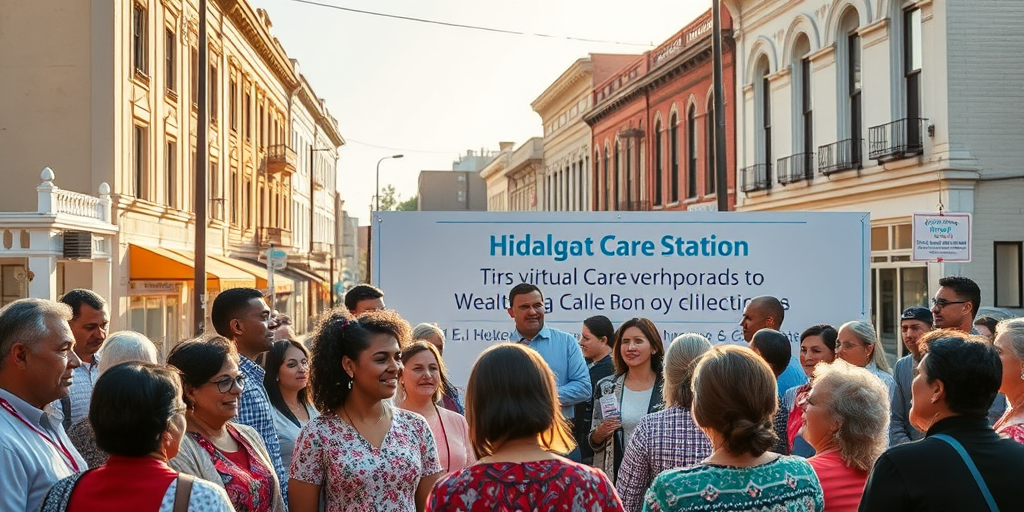
The unveiling took place on September 3, 2025, in a ceremony showcasing the collaborative efforts between the county and its private sector partners. Developed in partnership with OnMed, Molina Healthcare, and United Healthcare, the care station enables medical consultations through secure video connections inside a private, soundproof booth. Offering services such as prescriptions, diagnosis, and referrals to specialists, this initiative aims to make healthcare more accessible to underserved communities.
A Collaborative Effort
Representatives from OnMed, Molina Healthcare, and United Healthcare praised Hidalgo County Health & Human Services for its leadership and commitment to community healthcare access. Mindy Walker, President of Business Development at OnMed, spoke about the organization’s mission: “OnMed is dedicated to improving access to healthcare nationwide. The care station, essentially a ‘clinic in a box,’ symbolizes our efforts to provide convenient healthcare solutions.”
Kelsey Letcher, COO of Molina Healthcare Texas, emphasized Molina’s intent to overcome barriers like transportation and time constraints, ensuring that preventive care is available in familiar community locations. “We’re excited to facilitate access to healthcare right here in Hidalgo County,” Letcher noted, underscoring Molina’s dedication to community health.
Patricia Longoria from United Healthcare highlighted the importance of closing healthcare access gaps across the state, especially in regions like the RGV: “This partnership with Hidalgo County helps deliver high-quality care timely and accessibly. By leveraging innovative solutions like virtual care stations, we address gaps in underserved areas.”
Impact on the Rio Grande Valley
For the residents of South Texas, especially those in the RGV, the introduction of the virtual care station represents significant progress in addressing regional healthcare disparities. The RGV has long faced challenges such as limited access to healthcare facilities, making this development promising for many Valley residents.
Local healthcare advocate Lourdes ‘Lulu’ Acevedo, assistant director for health and human services for Hidalgo County, expressed optimism about the care station’s potential: “This initiative is a critical stepping stone toward eliminating the barriers our residents face in receiving essential healthcare services. It reflects our commitment to enhancing the quality of life in our communities.”
Connections to Past Efforts
In recent years, the RGV has witnessed a concerted effort to improve healthcare delivery, focusing on accessibility and affordability. This virtual care station ties into ongoing efforts to modernize healthcare infrastructure, aligning with past health fairs and awareness campaigns stressing the importance of preventative care and regular check-ups.
Looking to the Future
The success of this virtual care station could pave the way for similar initiatives across Hidalgo County and potentially greater South Texas. By demonstrating effectiveness, it might spur further investments in telemedicine and other digital health solutions, expanding reach and improving care quality.
Nevertheless, there are logistical considerations to address. As Letcher mentioned, challenges such as transportation and technology access remain. The sustainability of such initiatives will depend on continued support and adaptations to ensure comprehensive coverage for all community members.
Balancing Perspectives
While many celebrate the introduction of the care station, it’s essential to consider concerns about long-term implementation and funding. Achieving widespread acceptance means engaging with various community stakeholders, including patients, healthcare providers, and policymakers, to refine and enhance these services.
Dr. Ricardo Gonzalez, a healthcare policy expert, cautions against potential pitfalls: “While virtual care stations are innovative, they must complement, not replace, traditional healthcare systems. Ensuring robust support systems and tackling digital literacy issues is key to their success.”
Local Resources and Engagement
Community members interested in understanding how the virtual care station might impact their health access can visit the county clinic or contact the Hidalgo County Health & Human Services Department. Information sessions and demonstrations are scheduled to acquaint Valley residents with this new healthcare avenue.
As Hidalgo County embarks on this promising healthcare journey, the success of the virtual care station will hinge on community engagement, sustained collaboration, and adaptability, ultimately striving for improved health outcomes across the RGV.