South Texas College Expands Fire Academy to Starr County
South Texas College (STC) has launched a new fire academy in Starr County, addressing a critical educational need and providing unprecedented local access to aspiring firefighters in the Rio Grande Valley (RGV). Previously, individuals interested in pursuing a career in firefighting had to travel to Pharr or Laredo, a hurdle now removed by the college’s latest initiative.
A Historic Start in Rio Grande City
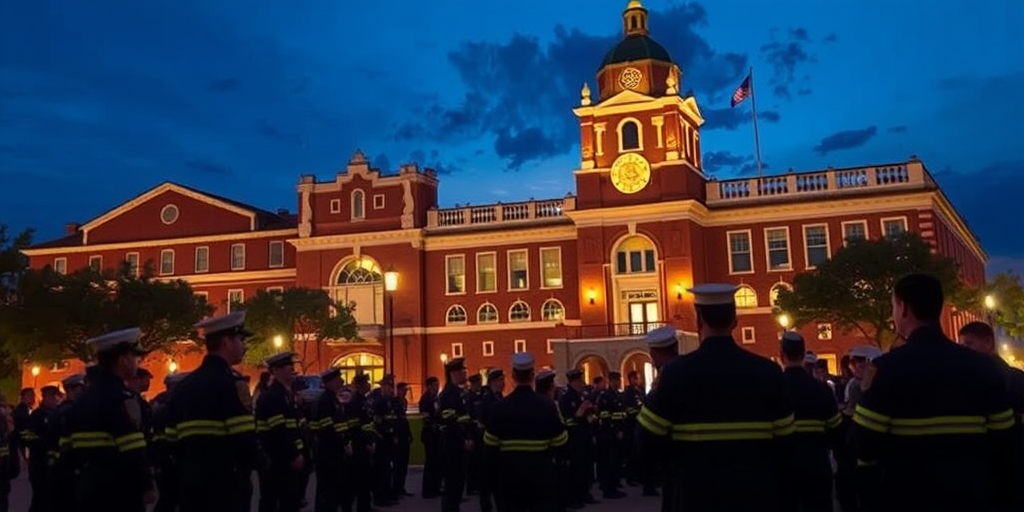
The inaugural class of 12 cadets, predominantly hailing from Rio Grande City, embarked on their training this week. This 16-week program combines classroom instruction with rigorous physical training, tailored to equip future firefighters with the skills and knowledge essential for their demanding career. The current cohort also includes cadets from San Benito, McAllen, and Zapata, highlighting the widespread appeal and need for such a program across the Valley.
The decision to establish a fire academy in Rio Grande City reflects STC’s commitment to reducing educational barriers for Valley residents. With Starr County’s first fire academy now operational, the local community can more easily pursue firefighting as a career without the added strain of long commutes.
A Pillar of Community Advancement
The introduction of the fire academy is the latest step in STC’s ongoing efforts to serve the RGV community more effectively. With Washington Monthly recently naming STC as the best two-year Hispanic-serving institution in the nation, the college’s reputation for fostering equitable and accessible education continues to grow.
Pedro Cardenas, an official from STC, underscored the significance of this development: “Our expansion into Starr County is a testament to our dedication to the people of the Rio Grande Valley. By making this program available locally, we provide more than just education; we offer an opportunity for community growth and economic stability.”
Impact and Implications for the Valley
For many in South Texas, this initiative represents more than a new academic option; it’s a critical component of regional development. As more local residents gain credentials in firefighting, the community anticipates bolstered safety and emergency response capabilities.
Moreover, reducing travel distances for education could potentially encourage a higher enrollment rate, thus addressing firefighter shortages in the area. The local economy stands to benefit as well, with potentially increased employment rates and a better-trained workforce to support safety infrastructure.
Having such an essential training center closer to home also fosters community pride. Angela Ramirez, a lifelong resident of Starr County, voiced this sentiment: “Having this academy in our backyard allows us to keep our talent local, and that means a lot in terms of community identity and unity.”
Looking to the Future
STC’s fire academy marks a significant milestone with long-term implications for community resilience and safety in the RGV. Public interest is already high, with applications now open for the next academy session, scheduled to commence in January 2026. This early planning underscores both the program’s demand and its anticipated success in fulfilling community needs.
These developments are occurring alongside other notable regional activities. The forthcoming hot and muggy weather predictions, with temperatures soaring into the 90s on Saturday, August 30, 2025, serve as a reminder of the challenging conditions local firefighters may face—further highlighting the value of having a well-trained firefighting workforce ready to respond.
Diverse Perspectives and Community Engagement
While the academy’s implementation is overwhelmingly positive, it is accompanied by the understanding that sustaining such programs requires ongoing evaluation and support. Community leaders and educators are collaborating to ensure that the curriculum meets evolving safety and training standards.
STC encourages local residents to engage with the program, either through participation or feedback, to maintain its relevance and effectiveness in serving Valley interests. Partnerships with local fire departments and emergency services also remain crucial to providing hands-on, applicable training experiences.
Conclusion
Through the establishment of Starr County’s first fire academy, South Texas College not only expands its educational offerings but also reinforces its role as a transformative force within the Rio Grande Valley community. By addressing both immediate educational gaps and future safety concerns, this initiative exemplifies the college’s forward-thinking approach to local impact.
Residents and prospective students interested in learning more about the fire academy can contact STC directly or visit the college’s official website for further information and application details. As the Valley continues to grow and evolve, the development of resources like the fire academy constitutes an essential part of building a resilient and prosperous community.