Palm Valley Animal Society’s Trenton Facility Closure: A New Chapter in Animal Care
The Palm Valley Animal Society (PVAS), a cornerstone of animal care in the Rio Grande Valley, has announced the forthcoming closure of its long-running Trenton Road facility in Edinburg. Citing the high costs of renovating the outdated 1950s-era building, PVAS will consolidate operations at the newer Laurie P. Andrews Center, located on Highway 281. This strategic move highlights ongoing efforts to enhance animal welfare and operational efficiency within the community.
Out with the Old, In with the New
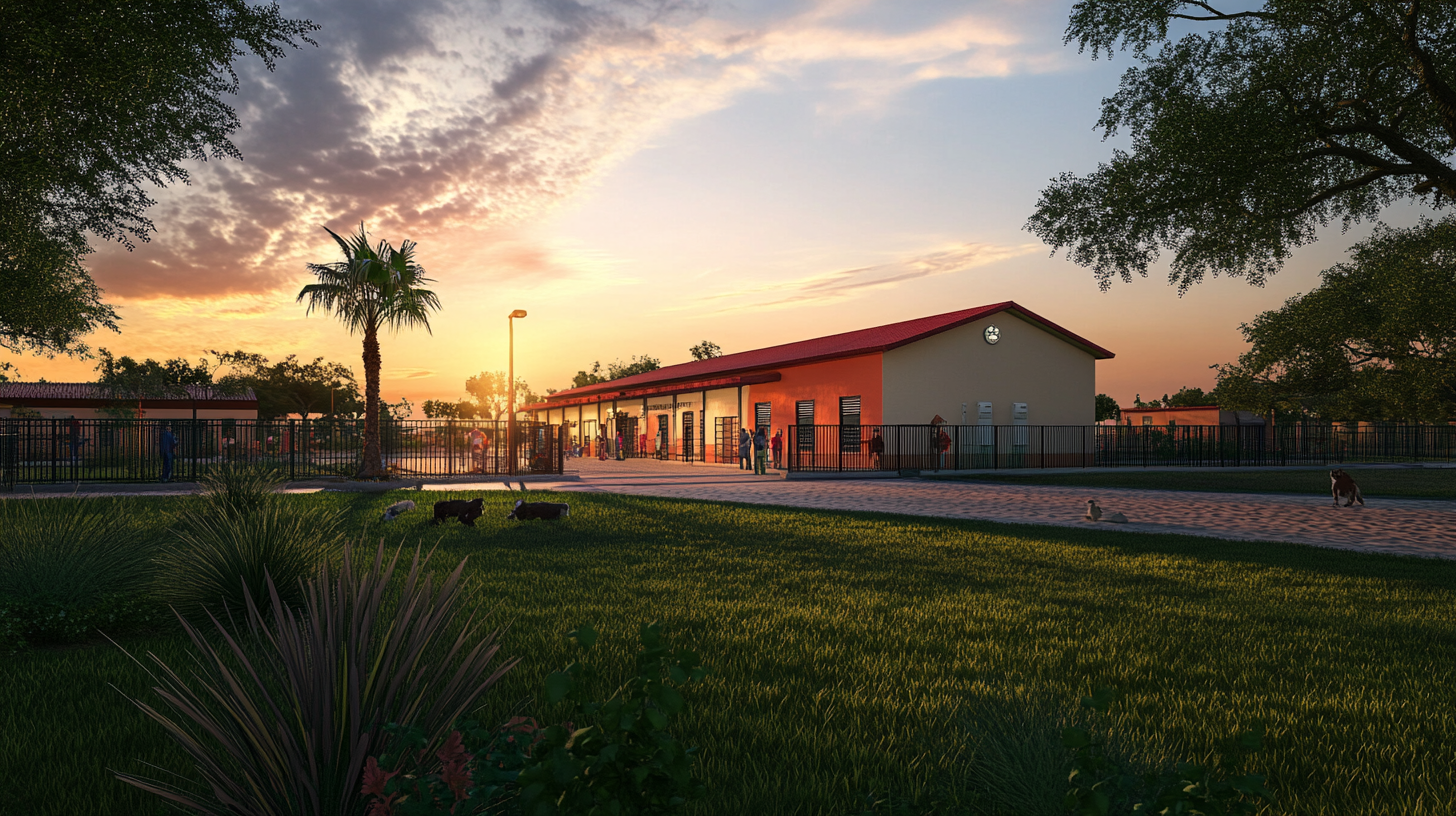
The decision to close the Trenton facility comes after careful consideration of the financial implications involved in maintaining an aging infrastructure. PVAS Executive Director Suzette Cruz explained, “It was going to be tens of millions of dollars to expand just because the buildings there, we weren’t going to be able to remodel; we would have to rebuild and start from scratch.” For the organization, the focus has now shifted to maximizing the potential of the Laurie P. Andrews Center, built approximately a decade ago, which offers a more modern and expansive environment for both animals and shelters’ staff.
Plans are underway to expand this newer center with a project estimated to cost around $6 million. McAllen has already pledged $1.2 million towards the expansion, while PVAS will contribute $3 million. Additional funding requests have been made to Edinburg and Hidalgo County, demonstrating regional cooperation and a shared commitment to advancing animal welfare.
The Significance of Local Support
The role of local governments in supporting this transition is crucial. Mayor Paul Adams of Edinburg remarked on the initiative’s broader community impact: “Investing in a central facility not only improves the services we can offer but also underscores our collective dedication to the wellbeing of all creatures in the RGV.”
This collaboration is emblematic of the region’s commitment to fostering a compassionate community, where human and animal relationships are given the priority they deserve. Residents like Maria Gonzales, a dedicated volunteer at PVAS, are already noticing these improvements: “The modern facilities at the Laurie P. Andrews Center mean more opportunities for education programs and volunteer involvement. It’s about building a stronger bond between Valley residents and our furry friends.”
Impacts on the Community and Animal Welfare
For the surrounding community, the shift signifies a renewed focus on quality over quantity. By centralizing operations, PVAS can increase efficiency, reduce operational costs, and improve the standard of care provided to its animal inhabitants. With enhanced facilities, the organization can expand its outreach and educational programs, thus improving community awareness and encouraging responsible pet ownership across South Texas.
In practical terms, the improved facility will support various activities, from adoption events to veterinary clinics, all of which contribute to better outcomes for animals and residents alike. This revitalized approach is expected to incentivize more volunteers and partnerships, further embedding PVAS within the fabric of RGV life.
Connecting with Past Efforts
The move to consolidate arises from a history of ongoing challenges in managing animal overpopulation and resource allocation in the Valley. Past efforts, such as community spay/neuter programs and educational campaigns, underscore the importance of scalable and effective animal services in navigating regional issues.
“The closure of the Trenton Road facility isn’t the end of an era, but rather the beginning of a more promising journey for community-based animal care,” emphasized Elizabeth Longoria, a community advocate and long-time supporter of PVAS initiatives. This perspective aligns with the broader objectives of aligning resources with the urgent needs of local shelters.
Future Implications and Resources
Looking ahead, the prospect of a more robust shelter system has potential ripple effects across the region. Not only does it increase the appeal of the RGV as a pet-friendly area, but it also opens doors for potential partnerships, grants, and innovations in animal care.
For those interested in supporting the transition or learning more about PVAS programs, resources are available through the organization’s website. Additionally, community members are encouraged to volunteer, donate, or attend upcoming fundraising events, which are vital as PVAS continues to meet financial goals for the project expansion.
The closure of the Trenton facility marks a significant point in the evolution of animal care in the Rio Grande Valley. With continued local support, PVAS is well-positioned to advance its mission of promoting compassionate treatment and finding forever homes for the Valley’s animal residents, illustrating a broader commitment to building a more inclusive and caring community for all.