More than the Winter Blues: Understanding Seasonal Affective Disorder
As the seasons transition and temperatures in the Rio Grande Valley (RGV) begin to dip, a mental health concern that might not often be associated with South Texas comes into focus: Seasonal Affective Disorder (SAD). While the RGV generally enjoys a milder winter compared to other regions, the shorter days and longer nights can still have a significant impact on Valley residents.
Uncovering the Symptoms
Seasonal Affective Disorder is a type of depression that occurs at a specific time of year, usually in the winter. The symptoms of SAD are similar to those of depression and include feelings of sadness, fatigue, lack of energy, and disinterest in activities once enjoyed. Locals may find it increasingly difficult to get out of bed as the days grow shorter.
Psychologist Dr. Elena Ramirez, who practices in McAllen, emphasizes the importance of recognizing the onset of these symptoms. “Many people downplay their emotional and physical responses to seasonal changes, attributing it to the ‘winter blues’. However, SAD is a genuine and potentially debilitating condition that needs to be addressed,” she explains.
Local Impact: SAD in the Rio Grande Valley
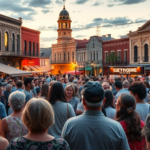
The impact of SAD in the RGV is accentuated by the unique cultural landscape of South Texas. While the region is characterized by its warm climate, the shift to shorter daylight hours can still trigger SAD symptoms. These changes might affect social gatherings and community events, which are central to Valley residents’ cultural identity.
Miguel Torres, a community organizer in Harlingen, discusses how this can affect local traditions. “Our community is closely knit, and the season itself alters how we interact. When people feel down, they may withdraw from events, affecting not only their well-being but also the communal spirit,” Torres comments.
Bridging Connections with Previous Concerns
The notion of SAD resonates with ongoing conversations around mental health awareness in the RGV. Historically, there has been a stigma attached to acknowledging mental health issues within the community. However, as awareness increases, so does the local advocacy for mental health resources and open dialogue.
Maria Hernandez, director of a Weslaco-based mental health nonprofit, notes that the SAD applies pressure to already strained resources. “Our mission is to ensure that people don’t have to suffer in silence. Understanding conditions like SAD and providing access to care is vital for the health of our community,” she adds.
Navigating the Future: Community Adaptations
Looking ahead, it is essential for local leaders and health professionals to implement strategies that accommodate the unique challenges posed by SAD in the RGV. Increased accessibility to mental health services, outreach initiatives, and educational programs are part of this effort.
Moreover, encouraging community-level interventions can play a critical role in addressing SAD. Simple actions such as promoting outdoor activities during daylight hours and cultivating indoor environments with adequate lighting can mitigate symptoms. Educational workshops can also inform residents about SAD, offering strategies for coping and resilience.
Balancing Perspectives on Mental Health
It’s important to acknowledge the different perspectives when discussing SAD and mental health in the RGV. While some may be open about their struggles, others might hesitate due to cultural beliefs or personal concerns about privacy. A supportive approach that respects individuals’ comfort levels is paramount.
Local religious groups and social organizations often act as informal support networks. Father Luis Gonzalez of a local parish in Edinburg shares, “Many people turn to us during rough times. While faith offers strength, it’s essential to also guide them towards professional resources when needed.”
Resources for Valley Residents
For those seeking support, local healthcare providers and community organizations in the RGV offer resources for managing SAD. The University of Texas Rio Grande Valley hosts an annual seminar on Seasonal Affective Disorder, providing insights from healthcare professionals and first-hand accounts from those living with the disorder.
Residents are encouraged to reach out to mental health professionals if they suspect they are experiencing SAD symptoms. Hotlines for mental health support are available, such as the Rio Grande Valley Regional Mental Health Line, ensuring that help is accessible to all.
Seasonal Affective Disorder, though often underestimated in sunny parts of the country like South Texas, is a legitimate concern with potential implications for the RGV community’s overall well-being. By fostering awareness and providing resources, the region can address this seasonal challenge head-on, ensuring that all residents enjoy mental well-being year-round.