Border Patrol Discovers Three Children on Raft in Rio Grande
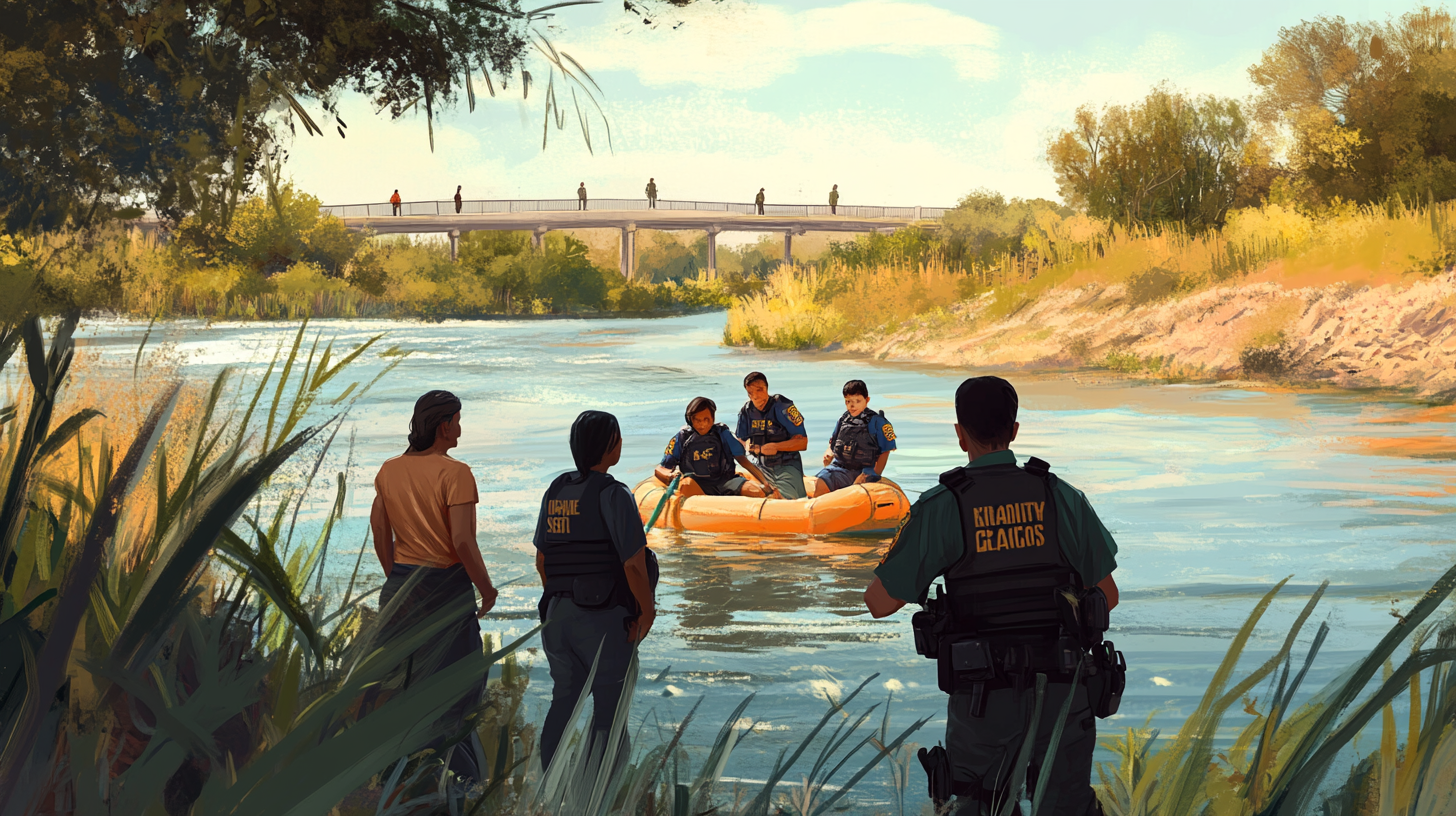
In a stark reminder of the ongoing humanitarian challenges at the U.S.-Mexico border, Border Patrol agents found three Guatemalan children floating on a raft in the Rio Grande near Brownsville this week. This incident highlights the persistent issues of immigration and child safety that continue to impact the Rio Grande Valley community and beyond.
The Discovery and Initial Response
Border Patrol agents located the children while patrolling a frequently monitored area known for migrant crossings. Two of the children were traveling without a parent, while the third child was with their mother. According to Christina Smallwood, a Public Affairs Officer for the Rio Grande Valley Sector, “There had already been migrant apprehensions in that area, so agents went back to secure the scene to make sure no migrant was left behind… and that’s when they encountered these four subjects.” The encounter underscores the constant vigilance required in addressing the complex dynamics of border security and human migration.
Background on Migration Challenges
Every year, thousands of migrants, many of them unaccompanied minors, attempt to cross the Rio Grande seeking safety and better opportunities in the United States. Last year alone, Border Patrol agents in the region encountered more than 25,000 children traveling without a parent. This trend reflects broader socio-economic disparities and violence in countries like Guatemala, pushing families to send their children on perilous journeys.
Local advocacy groups, like LUPE (La Unión del Pueblo Entero), have long called for humane immigration policies that address the root causes of migration rather than solely focusing on border enforcement. They emphasize the need for comprehensive reform that provides safe pathways for legal immigration and protection for vulnerable populations.
Impact on the Rio Grande Valley Community
The discovery of these children on the raft has tangible repercussions for Valley residents. The RGV, a region known for its rich cultural heritage and tight-knit communities, faces unique challenges and responsibilities as it sits on the frontline of these migration issues. The ongoing influx of migrants poses questions about resource allocation, community support systems, and safety.
Jessica Garcia, a community organizer from Brownsville, expressed concern over the long-term implications for the region. “Our community is resilient, but we need support. There’s a constant struggle to balance compassion with practicality. We need more resources to help both migrants and residents who are impacted by these humanitarian crises,” she said.
Ongoing Community and Government Initiatives
Efforts to address these complex issues within the RGV intertwine community initiatives with government response. Local non-profits and churches, such as those participating in initiatives like “Operation Christmas RGV,” play a crucial role in supporting vulnerable children and families by providing essential supplies and emotional support.
Moreover, governmental agencies continue to adapt strategies to manage border security while ensuring humanitarian considerations. The Biden administration’s recent policy proposals aim to increase legal pathways for immigrants and provide aid to Central American countries to discourage dangerous migration routes.
The Broader Picture and Future Implications
The current situation at the border is not isolated; it is part of a broader conversation about immigration and asylum policies in the United States. As political debates continue at the national level, the RGV serves as a microcosm for the wider implications of these issues.
Looking forward, it is essential for policymakers to engage with local communities to develop solutions that are not only effective but also considerate of the human dimensions involved. Comprehensive immigration reform, with input from Valley residents and stakeholders, could pave the way for a more sustainable and equitable approach to these ongoing challenges.
Balancing Various Perspectives
While community groups advocate for humane treatment and legal reforms, some sectors emphasize the need for increased security measures to prevent illegal crossings. It is crucial for the dialogue to reflect multiple perspectives, ensuring a balanced discourse that respects national security concerns while safeguarding human rights.
Resources for Residents and Support Options
For those looking to assist or learn more about local efforts, several resources are available. Community centers and local government offices in the Rio Grande Valley frequently host forums and workshops discussing these issues. Additionally, organizations like the South Texas Refugee Shelter offer support and volunteer opportunities for those wanting to contribute directly.
In conclusion, the discovery of three children on a raft in the Rio Grande is a poignant illustration of the pressing humanitarian questions facing the Rio Grande Valley. As the community grapples with these challenges, collaboration and comprehensive policy reform remain essential pathways forward, reflecting the community’s resilience and commitment to compassionate solutions.